What do these words mean to you? What role do they play in your everyday life?
Wow, I am amazed how much information is available on this important link between being thankful and health. Just search for these two terms and see what all you will find.
What is gratitude?
This is being aware of all of the good things in your life. And it is being thankful for those things. Have you considered being thankful for:
A safe place to sleep
Food to eat
Clothes to cover yourself
Having a friend to call
Your job – current or past
A beautiful day
This simple awareness of and being thankful for these ‘little’ things can boost your health.
Note, it doesn’t have to be the biggest house or the softest bed or the tastiest food or the latest fashion clothing to be grateful. Gratitude focuses on what you have – all of the good things – rather than what you don’t have.
There are many ways you can make gratitude part of your life. Here are a few recommended in a Harvard Mental Health newsletter:
Write a thank-you note
Go up and thank someone
Keep a gratitude journal
Pray
Meditate
Keep a list of your thanks = count your blessings
See your day and your health improve by focusing on the positive. Try starting your day with a list of things for which you are thankful. On those nights you can’t sleep, name all of the good things in your life. Let that override the worries and things you can’t control.
On this Independence Day weekend, as a country, we have much reason for gratitude!
For more information on gratitude and health, contact us at www.medsmash.com.
BIBLICAL APPLICATION
We have so many reasons to be grateful!
Have you ever been in a ‘funk’ having a bad day and then remembered to be grateful? I have done this so many times. When all looks dark and gloomy, make yourself think about all of the things that are good and right.
Give thanks in all circumstances; for this is the will of God in Christ Jesus for you.
I’ll quickly admit I don’t always think to do this. I stay in that dark place far too long. Later, once I’m out I realize I had the ‘magic potion’ to leave that darkness behind. It was given to us by Christ when he died to erase our sins. It was given to us by God who maintained His love and focus on the good in the Jews through centuries of missteps (just as we live a series of missteps).
Every good gift and every perfect gift is from above, coming down from the Father of lights with whom there is no variation or shadow due to change.
I feel energized, positive, and excited just reading these verses full of hope and promise! I am thankful for each person who takes the time to read this. May you be blessed by these assurances from God!
I pray you can stay focused on the many good things in your life this week and that can keep you out of the dark, gloomy places.
Let your doctors and pharmacist know your WHOLE regimen.
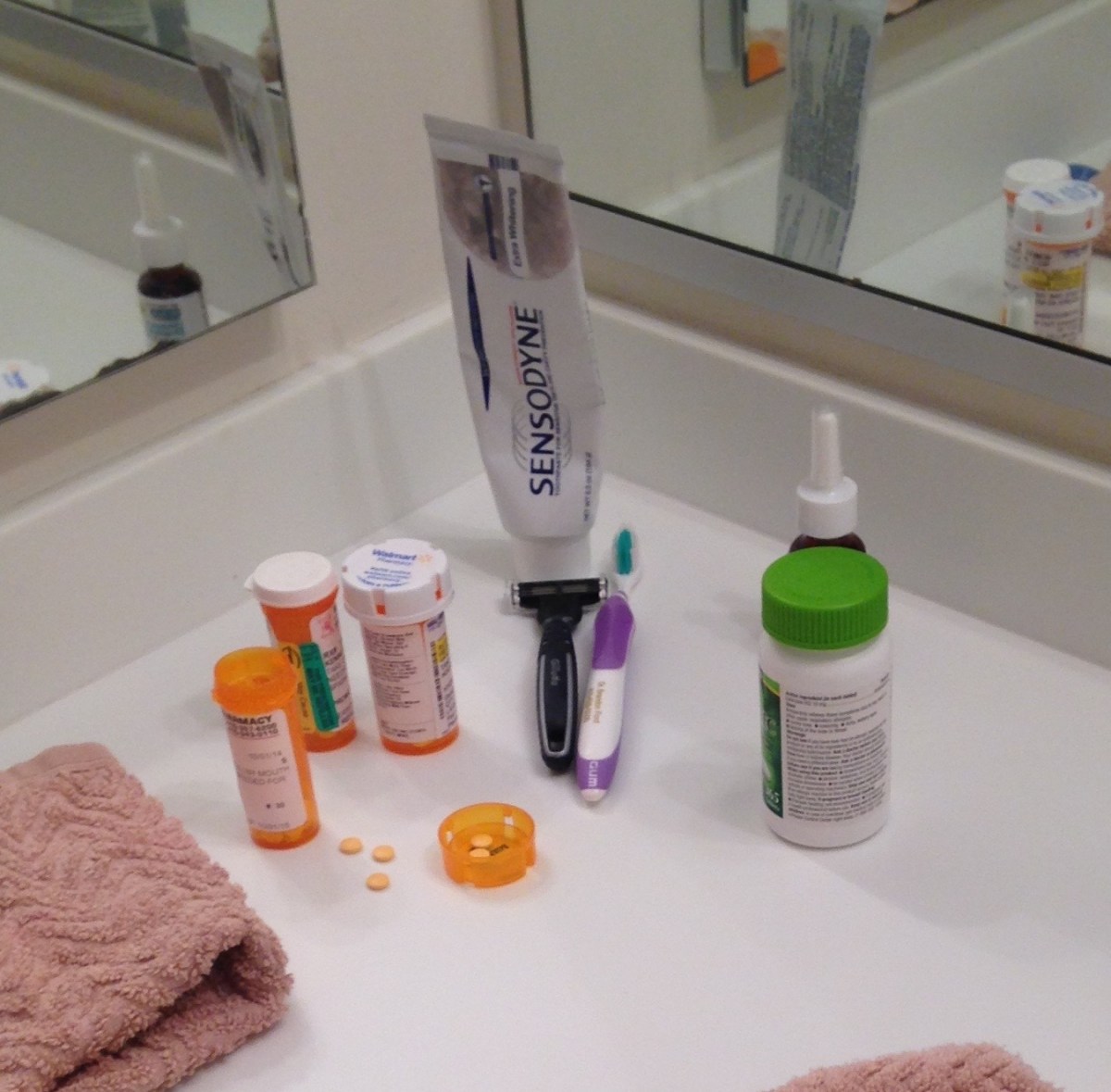
Which of your providers or pharmacists knows your WHOLE regimen of your medicines? When you go to your doctor you are likely asked about the medications you take. Some practices will ask you to include that information on a piece of paper on a clipboard in the waiting room. Some will hand you a computer with a list of questions that include your medicines. Still others will have the person checking you in ask you about your medications.
Do you take a list of all of your medications with you to the doctor?
Your doctor needs to know the names, the strength, the dose, and exactly how you take each medication.
Rather than try to memorize and remember all of this, make a list before you leave home.
Some people take pictures of each medication label and keep them in their phone.
Some people use the ‘Medical ID’ app on their smartphone.
Some people keep a list printed and in their wallet where it can be easily found by emergency personnel if needed.
Do you include all medicines prescribed by all doctors?
Many of the people I meet think their doctors talk to one another and coordinate their care. Although this is the desire of your doctors, it often does not happen. Your doctors and other providers find it hard to catch up with one another. Even if they work for the same health-system, important details and explanations are often not shared.
Include all medications coming from all of your doctors on your list.
Don’t assume one doctor explained the latest changes to the other doctors.
Do you include all of the medicines and other substances you take?
All of the substances you take have the potential to interact with each other. This means they can be dangerous when combined. If no one knows each substance you take, then those interactions cannot be checked. It is important to have a thorough screen of your WHOLE regimen.
Include these items even if you only take them once in awhile.
I highly encourage you to include all of these on your written list.
Over-the-counter pain medicine (e.g. Tylenol, ibuprofen, Aleve, aspirin)
Stomach ache or acid reflux medicine
Headache medicine
Allergy medication
Eye drops
Nose sprays
Cold, flu, congestion medicines
Constipation or diarrhea medicines
Medicated creams or ointments
Vitamins
Supplements
Herbal therapies
Marijuana
Illicit drugs (at least tell your doctor about these)
I am finding that the people who make the decisions about your prescription medicines do not know all of these important facts. The over-the-counter, herbal, vitamin, and other substances can have side effects, cause problems, and interact just as prescription medications can.
Consider all of these to be MEDICATIONS! Let your doctors and pharmacist know your entire list – your whole regimen!
For more information about the importance of your complete medication list, or for a detailed review of your medication list, please contact us at www.medsmash.com.
BIBLICAL APPLICATION
Just as there are a variety of medications that may be needed for overall health, there are a variety of things we need to include in our lives for our spiritual health. What are the components of your spiritual life?
In what ways do you acknowledge, praise, worship, study, talk with, share, enjoy, and spend time with God?
I liken the prescription medications from your primary doctor to Sunday worship and owning a Bible.
The specialist medications are like the Bible study, Sunday School, and other special short term studies.
What about the components that you choose for yourself from the smorgasbord of options? Do you include prayer, worship music, contemporary Christian music, daily devotions, meditation, accountability partners, online resources, or other choices?
Do you select a wide variety of options?
Do you stick to one or two?
Do you limit yourself to the Sunday morning selections?
Colossians 3:12-17 (MSG) gives several ideas about the many ways you can keep God active in your life.
So, chosen by God for this new life of love, dress in the wardrobe God picked out for you: compassion, kindness, humility, quiet strength, discipline. Be even-tempered, content with second place, quick to forgive an offense. Forgive as quickly and completely as the Master forgave you. And regardless of what else you put on, wear love. It’s your basic, all-purpose garment. Never be without it.
Let the peace of Christ keep you in tune with each other, in step with each other. None of this going off and doing your own thing. And cultivate thankfulness. Let the Word of Christ—the Message—have the run of the house. Give it plenty of room in your lives. Instruct and direct one another using good common sense. And sing, sing your hearts out to God! Let every detail in your lives—words, actions, whatever—be done in the name of the Master, Jesus, thanking God the Father every step of the way.
There are so many ways you can get to know God better. Even if you have been studying and worshipping for decades, there is more to learn and more love to experience.
Then there is prayer. There is real power in prayer.
Is anyone among you suffering? Let him pray. Is anyone cheerful? Let him sing praise. Is anyone among you sick? Let him call for the elders of the church, and let them pray over him, anointing him with oil in the name of the Lord. And the prayer of faith will save the one who is sick, and the Lord will raise him up. And if he has committed sins, he will be forgiven. Therefore, confess your sins to one another and pray for one another, that you may be healed. The prayer of a righteous person has great power as it is working.
Prayer that acknowledges God and His will and timing can do great things. Never overlook the power of prayer.
It is my hope this has inspired you to add some more elements to your daily walk with God. The God who created the Universe and who loves you beyond measure looks forward to each and every remedy you select to stay close to Him and know Him better.
Changes come with aging – some impact best medication use.
You are aging. No matter your overall health, your lifestyle choice, your beliefs about the medical system, you are aging.
If you do EVERYTHING right when it comes to healthy living, will aging stop? No.
Here are some changes that occur in all of us with aging.
Kidney function starts a very gradual decline in your late 30’s or early 40’s.
Liver size and blood flow to your liver diminish. The number of cells shrinks. There is less activity of the enzymes that break down medications.
Food and medications move through the intestine more slowly.
The volume of urine that the bladder can hold decreases. Bladder muscles weaken.
For men, the prostate gland increases in size.
For women, the urethra shortens and becomes thinner. So, risk of urinary tract infection goes up.
Muscles weaken as growth hormone levels decline.
Aldosterone levels decrease, so risk of dehydration goes up.
The immune system slows down. So, risk of infection and cancer go up. Also, it can take longer to treat an infection.
Heart muscle and blood vessels get stiffer. This can increase risk of high blood pressure. Also, with exercise, the heart can’t pump as much blood or speed up as much as it did at younger ages. So, exercise capacity is lower.
The muscles involved in breathing weaken. There is a decline in the number of small sacs in the lungs where oxygen is passed to the blood.
The amount of water in the body goes down while the body fat goes up.
This is not intended to alarm or depress you. With aging also comes wisdom, experience, tolerance, and the benefits of many life lessons. So, celebrate the process with its good and challenging elements.
As a pharmacist, I want you to understand how and why medications should be prescribed differently at different ages. Any medical conditions; habits such as smoking or excess alcohol consumption; excess weight; and other factors can further impact how medication actions change over time.
The first step of a medication’s actions comes when it is presented to the body. Most often it is swallowed and then has to be absorbed. Absorption is not impacted very much by normal aging, but it is impacted by medications that lower stomach acid, change the rate of the gastrointestinal tract, or by stomach or intestine procedures.
The second step is distribution. The medication, once absorbed, is distributed throughout the body. Some medications prefer fat and other prefer water. As we age, we have more body fat and less body water. So, medications that love water are more concentrated in the overall smaller total amount of water. The medications that love fat are distributed to more places and can be harder to gather it all back together to get rid of it.
The third step is metabolism. This is how the medication is broken down in the body. Some medications have to be broken down in order to get rid of them. Others have to be broken down in order to reach their more active form. Metabolism happens in the liver. Over time, the liver becomes less active, so it takes longer to break down some medications.
The fourth step is elimination. This is how the medication leaves the body. Most medications are either eliminated through the urine or through the feces (stool). So, any decrease in kidney function will slow down the elimination through the urine. Any slowing, shortening, or other issues with the intestines and colon can impact the elimination through the feces.
The important point of mentioning all of this is to make you aware that medications act differently in your body as you age. The medication, the dose, the timing that was good for you 10 years ago might not be the best for you now. Your doctor shouldn’t prescribe medications in the same way for a 70 year old person as prescribed for a 30 year old person.
I encourage you to ask your doctor and your pharmacist to carefully review your medications to be sure all are correct for your age and your unique set of medical conditions.
We would also be happy to provide that very thorough assessment for you. You can contact us at www.medsmash.com.
BIBLICAL APPLICATION
A life of faith is a long pursuit. It often takes time to develop perseverance and character, hope and joy in all circumstances.
Not only so, but we also glory in our sufferings, because we know that suffering produces perseverance;perseverance, character; and character, hope.And hope does not put us to shame, because God’s love has been poured out into our hearts through the Holy Spirit, who has been given to us.
Throughout the Psalms and Proverbs age is revered with dignity and honor.
The righteous flourish like the palm tree and grow like a cedar in Lebanon. They are planted in the house of the Lord; they flourish in the courts of our God. They still bear fruit in old age; they are ever full of sap and green, to declare that the Lord is upright; he is my rock, and there is no unrighteousness in him.
Protect your skin with sunscreen this summer. Rest in the protection of the Son!
It is that sunburn time of year. Do you wear sunscreen? If you do, do you wear it every day? Do you just wear it when you are going to the beach?
I’ll start by admitting I have made nearly every sun protection mistake, so this blog comes from scientific research, reputable articles, and a little ‘school of hard knocks.’
Sunscreen for Babies
The American Academy of Pediatrics does not recommend sunscreen for infants under 6 months of age. Their skin functions are still developing. It is best to keep them out of the sun. But, if parts of them must be in the sun, a little bit of SPF 15 sunscreen is better than unprotected skin. Sun blocks are most protective. Look for ingredients of zinc oxide or titanium dioxide.
Sunscreen can protect against skin cancer, age spots, and skin damage from the sun. It can also help prevent actinic keratoses, which are not cancer but are big brown spots. It can also protect against rashes and reactions to the sun (photosensitivity) that some people get.
How much?
For an average size adult in a swimsuit, the proper amount is enough to fill a 1 ounce (30mL) shot glass.
When?
Chemical sunscreen products need to be applied 30 minutes before sun exposure because they need to be absorbed to protect your skin, but products containing zinc oxide or titanium dioxide protect right away. Reapply after each dip in the water and at least every 2 hours.
Which kind?
Interestingly, SPF 30 is NOT twice as good as SPF 15. When a proper amount is applied (see above), SPF 15 sunscreen absorbs 93% of UVB radiation. SPF 30 absorbs 97%, and SPF 50 absorbs 98%. Using SPF greater than 50 doesn’t really add any benefit.
So, if you put on the recommended amount and replace as recommended, SPF 15 is enough. If you put on a light layer or don’t repeat as often as you should, use SPF 30 or 50.
What if I have dark skin or already have a tan?
Studies have not found that this protects you. Skin protection is still important not only for sunburn but also for cancer and other skin damage. So, keep on wearing that sunscreen, even after you get tanned.
What else can cause me to burn?
There are several medications that cause you to be more sensitive to the sun. If you take these, your risk of sunburn is much greater. Some of the more common ones are:
Tetracycline or doxycycline (antibiotic – used for acne and Lyme’s disease and other infections)
Hydrochlorothiazide or furosemide (diuretic/water pill)
Sulfa antibiotics (SMX/TMZ, Bactrim, Septra)
Fluoroquinolone antibiotics (Cipro, Levaquin, and others)
Check with your pharmacist or look on the written information that comes with your prescription for the word ‘photosensitivity’ in the side effects.
Besides using sunscreen, keeping your skin covered with clothes, hats, or umbrellas can provide protection.
If you have a history of prolonged sun exposure, you have new brown or other colored spots on your skin, or you have spots that are changing, make an appointment with a dermatologist. Skin cancer screening is quick and can save your life. Don’t delay or wait to see with these skin changes.
For more information about sunscreen contact us at www.medsmash.com.
BIBLICAL APPLICATION
The sun is such a critical part of our existence. Yes it can harm us.
The Son is such a critical part of our existence. He can protect us.
What does that protection mean? Will you be without any trouble? If God is on your side, will no one be against you?
No, it doesn’t work like that. We are assured that trouble will come. We are assured we will be tempted,
We are pressed on every side by troubles, but not crushed and broken. We are perplexed because we don’t know why things happen as they do, but we don’t give up and quit. We are hunted down, but God never abandons us. We get knocked down, but we get up again and keep going.
Knowing who is on our side and protecting us helps us through the trouble.
There are growing resources, help, and hope for those with PTSD.
Posttraumatic Stress Disorder (PTSD) is finally becoming a topic that is discussed – in public. It finally has ‘a voice’ and several avenues of treatment to address it.
I was fortunate to serve about seven years of my career in the Veterans Affairs system. I worked alongside some of the best, most caring providers and the most robust interprofessional teams. These teams consisted of physicians (geriatricians who focus on people over 65, in my case), nurses, pharmacists, dieticians, physical therapists, occupational therapists, social workers, psychologists, psychiatrists, and every level of trainee – students, residents, and fellows. Together we provided care to aging adults in the clinic, the acute care hospital, the intermediate unit, long-term-care (nursing home), and the domiciliary. The ‘dom’ was long term, independent housing for veterans who did not have a family to live with after the war.
I am thankful for every veteran that has served our country in one of the countless ways our uniformed services care for this country every day. The stories I heard during those years were enlightening, empowering, endearing, and sometimes gut wrenching. I have heard others say this: In my experience, those who talked the least about their service saw the most ‘action’ and devastation.
One day I was in clinic with a student. It was a very normal day. As the pharmacist, my visits mostly pertained to medications – why, how, when they are taken and the result. On this day, during a normal pharmacy clinic visit, one of our veterans told his story. It forever changed my life. Here is a paraphrase. I will leave out the specific war, because the story could fit any of them.
“I was assigned the night guard shift for my platoon. It was my duty to walk around the perimeter of the base to look for anyone (of the enemy) who might try to attack at night. It was typically uneventful. One night, as I rounded a corner, I was face-to-face with a man from the ‘other side.’ In a split second I thought about my family – my wife and children. I thought about how I just want to go home to them. I thought I don’t know this man. I don’t hate this man. He probably has a wife and children waiting for him at home, too. We might even be friends in other circumstances.’
We all sat and cried for a long time.
After this event, this man, this veteran had a mental breakdown. He was sent to an island where soldiers not able to function in combat were stationed during that war. While there he started trying to stop reliving the event through alcohol. When he finally got home to his wife and children, he was an alcoholic. He had posttraumatic stress disorder. But, it wasn’t recognized, diagnosed, and treated as it is now. I certainly don’t know all of the details, but he and his family were not able to reunite and stay together. It broke my heart to see what had happened. I wonder if his wife and children ever knew what happened? I wonder if knowing could have changed the outcome for their family. No doubt he would be forever changed after an experience like that.
Post Traumatic Stress Disorder (PTSD)
PTSD is a condition where there is stress and symptoms for more than three months after a trauma or highly stressful event (or series of events). The stress and symptoms disrupt regular daily activities and are distressing. PTSD can result from war (as in the example above), natural disasters, sexual or physical assault, horror, accidents, or other terrifying event. PTSD can present in about four different ways.
Reliving the event – nightmares, flashbacks, triggers
Avoiding any reminders of the event – driving if in a car crash; crowds if they cause insecurity; fireworks if associated with gunfire; movies related to the event
Negative feelings or changes in feelings about the world and the future; suppressing or forgetting parts of the event
Treatment has multiple components. Understanding PTSD is an important step. Counseling and cognitive behavioral therapy can help. In cognitive behavioral therapy, people can become aware of thoughts and feelings, and that allows them to be processed and better understood. Then skills to face those feelings and make changes in a way that allows them to have less impact are developed. For each person, this process is different. There are highly trained, experienced therapists who will work with each personal individually.
For medication treatment, selective serotonin reuptake inhibitors (SSRIs) are most commonly used. These are medications that are also commonly used to treat depression and anxiety. They are unlikely to resolve symptoms alone. They are an important part of the multiple components of treatment.
Other components might be exposure therapy, group therapy, family therapy, and more.
A recommended site to learn more about PTSD is through the VA.
Again, there is a growing number of resources available to anyone who might be experiencing PTSD. If you or someone you know might have PTSD, please seek help right away. To suffer alone is not the answer. Alcohol, drugs, and suicide are not the answer. Help is available!
For more information about PTSD, contact us at www.medsmash.com.
BIBLICAL APPLICATION
PTSD is a real disorder. It is estimated about 3.5% of adults in the US have PTSD. Over 9% of people ages 50-65 have now or have experienced PTSD.
It can be hard to think rationally when suffering from PTSD. The terror, stress, and anxiety can keep the brain in ‘fight or flight’ mode. When in this mode, reflection, perspective, and problem-solving functions are very limited.
So, how can you support someone suffering from PTSD? Understanding the disorder and being a source of compassion and love are good places to start.
No platitude or Bible verse makes PTSD go away. Some Christian leaders have implied PTSD is something that can be chosen or can be avoided with a focus on God. I strongly disagree. Sinful people can hurt, traumatize, and destroy other people. Even people who know and love God can be traumatized.
But as people of God, we can support people who have suffered. If you have PTSD, know you are not alone. If you know someone who has (or you suspect may have) PTSD, approach with God’s unconditional love. Support through the many stages and steps of recovery and learning to cope. PTSD doesn’t just go away at some point; it might take a lifetime of coping and skill building to live in spite of past trauma.
There are many stories of violence, war, and crimes in the Bible.
These are followed by God’s restorative grace and mercy.
There are many verses about love, strength, deliverance, and rest for our soul.
In time, with treatment and a strong support network, these conversations can be had.
Until then, in the more acute phases when the brain is so busy with ‘fight or flight’ mode, prayer, presence, and unconditional love are ways you can start the story of grace.
Be on the lookout for people who may have PTSD who are not yet receiving treatment. Pray for the many people in our world who are PTSD victims. Love and care for those with PTSD in your life.
My dear, dear friends, if God loved us like this, we certainly ought to love each other. No one has seen God, ever. But if we love one another, God dwells deeply within us, and his love becomes complete in us—perfect love!
Supportive options when it’s time for end-of-life care.
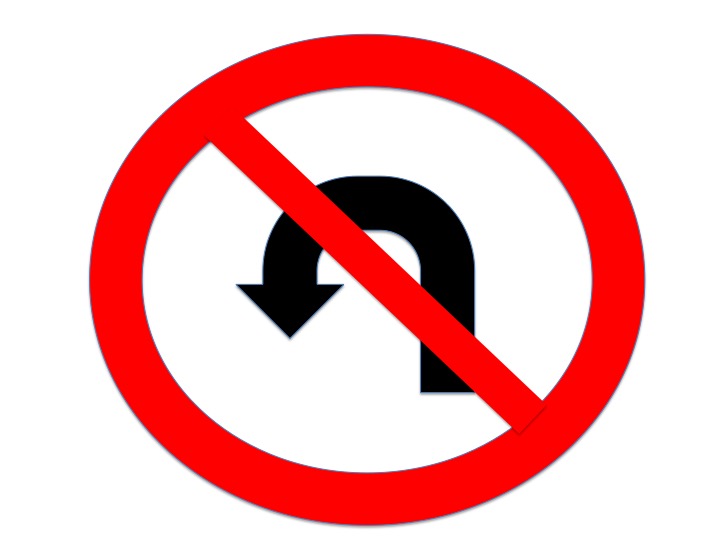
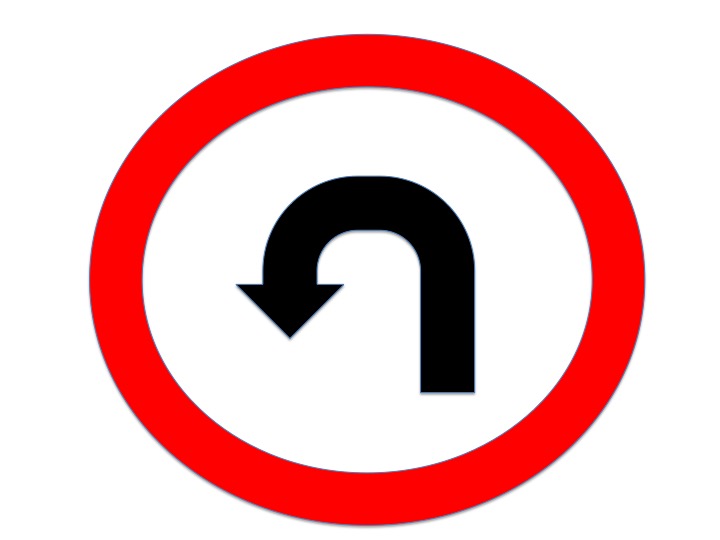
Now we turn to end-of-life care. Last blog we talked about the U-turns available in your life and health. These can help you feel better and live healthier. We learned you can still make changes that have a positive impact on your overall health.
We can’t stop it. We won’t be able to turn it around. There are a number of conditions that at this moment have no cure or way to get rid of them.
When we run out of options, then the end of life becomes our focus. This is peaceful for some. It is frightening and a huge struggle for others. It impacts not only the person diagnosed but also all of their friends and family. Each person involved deals with a number of feelings during this time. There can be guilt, fear, conflict, regret, and grief, among others.
The support of others, education about what is happening, and sources of comfort are critical.
Resources for end-of-life
Following are some resources for everyone involved in end-of-life care.
Support groups – There are support groups for most common diagnoses, for people with the diagnosis and for caregivers and family members, and for various stages of the condition.
Caregiver stress and burden – Caring for a loved one near the end of life can be emotionally and physically exhausting. There are many resources that provide assistance (such as in-home care agencies) or respite (short term stays while the caregiver takes a break).
Caregiver care – A caregiver can’t fully care for their loved one if they don’t also take care of themselves. Emotional, physical, and spiritual health need attention during this demanding time.
Resources – Your community will have various agencies available to provide numerous sources of help. These include direct healthcare, legal guidance, financial aid, spiritual support, placement options, and more. If the person nearing end-of-life is over age 65, your local Agency on Aging could be a valuable source of lists of the resources available in your area.
Palliative care – This is care that is focused on comfort and support to accomplish goals toward the end of life.
Hospice is one form of palliative care. Your hospice organization can support you, provide education about current and future changes, and help you with preparation for all involved.
When the end-of-life can be anticipated (vs suddenly taken), there is an opportunity to prepare and fully live those final months or days.
For more information about end-of-life options, contact us at www.medsmash.com.
BIBLICAL APPLICATION
What’s different about the people that find peace in the end of life?
“For God so loved the world, that he gave his only Son, that whoever believes in him should not perish but have eternal life.”
The hope we can take through those seasons of palliative care and hospice is the result of anticipating the end of this life and moving on to eternal life.
Truly, truly, I say to you, whoever hears my word and believes him who sent me has eternal life. He does not come into judgment, but has passed from death to life.
For by grace you have been saved through faith. And this is not your own doing; it is the gift of God, not a result of works, so that no one may boast.
If this life is just the preamble to a life of eternity with Christ, then death loses its sting.
Turn your health around. Make changes to improve your health.
Is it too late to turn your health around? Although we were raised certain ways we can still make a U-turn, or at least navigate a big curve. I was raised with dessert every day, lots of processed foods, little to no access to seafood, and limited fresh vegetables beyond summer. Meals were built around meat and potatoes. As for exercise, anyone who knows me can attest to my utter lack of athletic ability. So, should we settle for life-long habits and figure it’s too late to make changes now?
Actually, there is a LOT of evidence that changes, at all stages of life, still help you. Below are just a few of the most common habits/choices that can be changed in a way that really makes you feel better.
Decreasing your daily calories by 500-1,000 per day will decrease weight 1-2 pounds per week. [Faster weight loss is not as healthy and hard to sustain.]
Exchange some of your red meat meals for fish (your grocery store meat section will likely have instructions on how to prepare whatever is on sale or available in the meat section).
Try nuts for snacks over sugary snacks.
Sugar
Drink more water or unsweetened beverages in place of sugary soda or fruit juice.
Eat smaller portions of your dessert, as a starting point to cut back.
Exercise
Get moving – it helps with more than just weight control.
Decrease joint pain and strain, especially your lower back.
Get stronger and be more resilient against small strains and sprains.
Be more flexible.
Decrease your risk of a fall that could injure you.
Stay healthy and independent longer through fitness.
Have more energy and stamina.
Exercise doesn’t have to mean joining a gym or playing a sport.
Get up and move around during commercial breaks on TV.
Park farther from the front door.
Go for a walk with a friend.
Window shop in all of the stores at the mall before making a purchase.
U-turns are allowed in your life. No matter your age and for how long you have been doing things a certain way, make a change. Turn your health around. See how much better you can feel with very small changes starting today.
For more information about healthy choices and making a U-turn, contact us at www.medsmash.com.
BIBLICAL APPLICATION
Are you drowning in your negative self-talk? Are you always striving to do better? Or, are you constantly making excuses and blaming others for your weaknesses?
These are such easy routes to take! They are such easy ruts to fall into.
Will you ever be at peace and feel that all is right in your world? What would that take?
My understanding of the Bible is that the peace and promise you’re seeking is available to you RIGHT NOW.
There is nothing you have done that God doesn’t already know about. You can’t hide. Rather than being terrified by that, realize you are loved. You are loved and accepted and forgivable. Absolutely nothing you have done could make God turn away from you.
God is love. When we take up permanent residence in a life of love, we live in God and God lives in us. This way, love has the run of the house, becomes at home and mature in us, so that we’re free of worry on Judgment Day—our standing in the world is identical with Christ’s. There is no room in love for fear. Well-formed love banishes fear. Since fear is crippling, a fearful life—fear of death, fear of judgment—is one not yet fully formed in love.
Not only can you take a U-turn in your daily physical health choices, you can take a U-turn in your spiritual health. Stop hiding. Stop beating yourself up. Embrace this love that is completely yours. You are forgiven as soon as you let go and give your all to God who loves you with no conditions.
Quality of life should be preserved and enhanced with your medication.
Medications have two main purposes.
One is to increase your QUALITY of life. They relieve or control the symptoms that make it hard to do our daily tasks. Quality of life is your ability to enjoy and engage in your life. It is your ability to do the things you want to do during the day.
The other is to increase your QUANTITY of life. They help control medical conditions so you can live longer.
ALL medications have potential side effects. Some of these side effects are a minor nuisance that goes away. Some of these side effects are so severe you are changed to a different medicine. Then there are some times when another medicine is started to treat the side effects of the first medicine. In most situations I highly discourage this practice. There are a few select exceptions.
Medications and Quality of Life
This blog is about the medications that are prescribed to help you live better. Using them is intended to improve your quality of life. But, they have side effects that keep you from functioning normally. Those side effects actually decrease your quality of life. Here are a few examples:
Pain medication for back pain makes you so sleepy you just lay around.
Blood pressure medicine makes your blood pressure so low you don’t have the energy to do regular daily tasks or you get really dizzy when you stand up or turn quickly.
Anxiety medicine keeps you so groggy you can’t function.
Sleep medicine keeps you sleepy all through the next morning.
Diabetes medicine makes your blood sugar so low you are weak, shaky, and dizzy.
Parkinson’s Disease medicine makes you so dizzy you can’t go out.
Incontinence medicines makes you so constipated you are miserable.
It doesn’t make sense for a medicine intended to help to actually cause just as many problems as the thing it was prescribed to treat. Talk to you doctor! Your doctor might not know unless you talk about it. Your relationship with your doctor should include conversations about your goals. Let your doctor know what daily events and tasks are important to you. Then, work together to reach those goals through medication, physical therapy, counseling, diet, or other means.
We are here to help, too! At Meds MASH we will carefully review all of your medicines to be sure you are getting the maximum benefit with the least side effects. Often a dose change or an alternate medication can make a huge difference. We work closely with your doctor to optimize your medicines. You don’t need to live with side effects that hold you down. Contact us at www.medsmash.com.
BIBLICAL APPLICATION
What is your purpose for being? I had a chance to ‘people watch’ for a while this week. It got me thinking about what drives people. We know that EVERYONE has insecurities. Everyone has struggles. God has a purpose for everyone. Society gives a lot of messages that don’t align with the Bible. A lot of people have never even heard about the God who loves them. People have so many reasons for the actions they take. As a whole, people are so confused.
Here are a few reasons for decisions that come to mind:
Some people elevate themselves by suppressing others.
Others spend all of their time growing their sphere of influence.
Some live to serve and please others (sometimes at risk to themselves).
Several spend their time protecting themselves.
And then some hide from other people and insulate themselves.
Our selfish actions can have unwanted side effects, just like the medications discussed above.
Are we to spend this life racking up points? No! That is exactly why Christ died and rose. He took the ‘rules’ and replaced them with grace and redemption. You don’t have to ‘earn’ your way to Him.
“This is how much God loved the world: He gave his Son, his one and only Son. And this is why: so that no one need be destroyed; by believing in him, anyone can have a whole and lasting life. God didn’t go to all the trouble of sending his Son merely to point an accusing finger, telling the world how bad it was. He came to help, to put the world right again. Anyone who trusts in him is acquitted; anyone who refuses to trust him has long since been under the death sentence without knowing it. And why? Because of that person’s failure to believe in the one-of-a-kind Son of God when introduced to him.
I’m hoping this makes you rethink your purpose for being the way it makes me rethink mine. As I make decisions each and every day, what is my underlying motivation?
I am called to believe, trust, and follow in faith. If I am walking closely with God, He will help me make decisions that make sense. He has this perspective that is so far beyond anything I could imagine.
Trust in the Lord with all your heart, and do not lean on your own understanding. In all your ways acknowledge him, and he will make straight your paths.
If any of you lacks wisdom, let him ask God, who gives generously to all without reproach, and it will be given him.
So contrary to what society tells you and where your own flawed thinking might take you, your priority can be God’s plan for you. Staying focused on this can help you avoid decisions that hurt other people. It can help you take the focus off of yourself. It won’t rid you of problems, but it can increase your confidence that you’re not alone.
Just say ‘no’ to the side effects of selfish thinking!
Regular sleep helps you think clearly and make better decisions
AAAhhhhh, there is nothing like a good night’s sleep. Don’t you feel refreshed and ready to conquer the world when you are well rested? How do you feel when you haven’t been sleeping well? Irritable, short-tempered, unfocused, …?
Feeling extra sleepy is linked to:
Motor vehicle accidents
Poor test performance
Poor decision making
Difficulty concentrating
Difficulty solving problems
Mood changes
Pain intolerance
Mistakes
Errors in judgment
So, it is not all in your head if you think you don’t have such a great day when you don’t sleep well.
The TV commercials tell you to grab one of the over-the-counter sleep medicines. I want to DISCOURAGE you from doing that. Most of the over-the-counter sleep options contain either diphenhydramine (Benadryl) or a sedating antihistamine like doxylamine. These medications are not recommended in people over 60. Not only do they make you really sleepy, they are very anticholinergic.
Anticholinergic
Anticholinergic medications are very drying. They cause dry mouth, dry eyes, constipation, and difficulty urinating. They also make your thought process fuzzy. Medications with anticholinergic side effects greatly increase risk of falls. There are MANY studies showing that people who take these sleep aids are more likely to fall.
Zzz sleep medications
There are some newer prescription sleep medications available. Three are referred to as the ‘zzz’ medications. They are zaleplon (Sonata), exzopiclone (Lunesta), and zolpidem (Ambien). Note the ‘z’ in each name. These are options when all good sleep habits have been tried and failed; or when insomnia occurs regularly or for a prolonged time. When they are used, the lowest possible dose for a short time is best. Each of these medications is linked to falls (especially if you get up during the night to go to the bathroom while sedated). Each is linked to car accidents if you drive while still under the effect of the medication. Each can cause odd behaviors in come people such as sleep driving or other tasks while asleep. I had a patient once who awoke to find Wal-Mart bags full of merchandise all over her living room floor. She had gone to Wal-Mart in her sleep and had a shopping spree. She brought it all home and into the house then went back to bed. She could remember none of it.
So use these medications only when necessary, at the lowest possible dose, for a short time under the careful guidance of a prescriber. Only take one when you are able to stay in bed and sleep for a full night (7-8 hours). These are NOT for a short sleep and get-up-and-go kind of night.
BEST sleep habits
Prior to considering adding medications, these habits can help you sleep better.
Keep your sleep schedule regular – Go to bed and get up at the same time each day.
Keep your bed for sleep and sex only.
Avoid daytime naps.
Avoid caffeine, chocolate, alcohol, or spicy food.
Avoid TV, reading your phone, using your computer right before bed. The light of the electronics triggers your brain to be active. There are several studies linking use of electronics before bed to poor sleep.
Get some exercise during the day so your body is tired as well as your brain.
Try deep breathing. Take slow, deep breaths in and slowly blow them out.
Try progressive muscle relaxation. Start at your toes. Squeeze your toes tightly then let them relax. Keep going with all of the muscles as you work up your body.
There are several other techniques available in the links on this page.
I highly encourage you to try all of the sleep techniques that don’t involve medications first. Then, if you do need medication, get a prescription from your doctor for a low dose. Use it only when truly needed for a very few days. Be sure you can dedicate a full night to sleep before taking a dose.
One other option when good sleep habits aren’t enough is melatonin. Melatonin is a natural product that improves sleep in some people. It takes up to a month to see the full effects. It can help you fall asleep quicker, sleep better, and sleep longer. Each dose won’t necessarily make you feel sleepy. The impact is more gradual over time. The starting dose is 2-3 mg at bedtime.
For more information on sleep options, contact us at www.medsmash.com.
BIBLICAL APPLICATION
It’s amazing how the eternal confidence of unconditional love can enhance sleep.
All of us have our overwhelming days, our painful nights, our frightening challenges.
We also have a source of hope and joy to see us through all circumstances. In Christ, you know who is ultimately in control. You know where you will be spending eternity.
So, on those bad, sleepless nights, give your burdens to the One who is asking you to give them over.
Prolonged use at higher than necessary doses can lead to opioid (narcotic) addiction
Narcotic addiction is now at epidemic proportions. Drug abuse has been with us for all of recorded time. The specifics of the drug(s) most commonly abused change over time. Sometimes the most abused drugs fall out of favor for a while and then reemerge. Common examples from the past few decades include LSD, cocaine, crack cocaine, and inhalants.
Right now, prescription opioid pain medicines (narcotics) are being abused at an alarming rate.
According to the Centers for Disease Control (CDC), 2 million people abused or were dependent on opioid analgesics in 2014.
Refer back to last week’s blog. Terms are very important here. Dependence is a physiologic response to these medications. Anyone who takes them over time will have some changes in how their body handles pain signals. The body’s normal response takes a backseat to the medication. In order for the body to take over again, the medication needs to be titrated off slowly. If you stop the medication all of a sudden, the body goes through withdrawal. It can’t take back over the pain control that quickly. It needs time to gear up. NOTE, this type of dependence and withdrawal is different than ADDICTION.
Addiction
Genetic, psychosocial, and environmental factors all play a role in the creation of an addiction.
Addiction usually occurs when the opioid medication is continued after the pain has gotten better. Sometimes people keep taking the medication for the effects beyond the pain relief. Some people feel a euphoria or high while others are very laid back. If they keep continuing the medication for this purpose, then addiction can occur. Not only are the body’s receptors letting the medication handle pain it is seeking these other effects. Over time it takes a higher dose more frequently to get the same amount of desired effect. So, doses keep going up and desire to take the medication is very strong.
In March of this year (2016), the CDC released new guidelines for prescribing of these medications. If you would like to read them, you can find it at this link: http://www.cdc.gov/drugoverdose/prescribing/guideline.html . These guidelines are emphasizing less use. Use only for moderate to severe pain. Use at the lowest possible dose for the shortest time possible. There are other, non-addictive options for lesser pain.
When people addicted to prescribed opioid pain medications can’t get more prescriptions, they often turn to heroin. This is another opioid substance that is illegal but sadly, easier to get ‘on the street’. This allows the addicted person to keep getting the effects they are seeking. Note, at this point, addicted people realize this is a miserable, horrifying state. But the demands for more drugs override common sense. Again, I highly recommend watching the video created by the FBI and DEA.
So overcoming this epidemic is being addressed from the prevention side by the new prescribing guidelines. It is also being addressed through new medications and techniques to help people escape the addiction. So, there is hope for the future with this addiction!
If you would like to know more about narcotic addiction, new steps to address it, or similar topics, contact us at www.medsmash.com.
BIBLICAL APPLICATION
Temptation has been part of our world since Adam and Eve, the very first people. It did not take mankind long at all to prove how difficult resistance to temptation can be.
I first want to send a loud, clear message that love, compassion, forgiveness, and constant support are key elements of walking away from addiction. Rather than avoid, isolate, and punish those who find themselves addicted, we have a calling to reach out in love and be part of that crucial support network.
Above all, love each other deeply, because love covers over a multitude of sins.
I want to write about temptation and the fact that it is a fact of life. God knows all about the temptations in our path. He is also there to help us through. And when we are entangled in a temptation that we did not resist, He is there to bring us back away from it.
No temptation has overtaken you that is not common to man. God is faithful, and he will not let you be tempted beyond your ability, but with the temptation he will also provide the way of escape, that you may be able to endure it.
Blessed is the man who remains steadfast under trial, for when he has stood the test he will receive the crown of life, which God has promised to those who love him. Let no one say when he is tempted, “I am being tempted by God,” for God cannot be tempted with evil, and he himself tempts no one. But each person is tempted when he is lured and enticed by his own desire. Then desire when it has conceived gives birth to sin, and sin when it is fully grown brings forth death.
For all that is in the world—the desires of the flesh and the desires of the eyes and pride in possessions—is not from the Father but is from the world.
I pray you are always aware of the temptation around you and the help available to you at all times from God. I also hope you find opportunities to reach out to those who have fallen into temptation and love them back out of that snare. That love might be tough love, but the Bible is full of examples of that too. Check out Luke 6:27-49.









 yourhealthandsoul