serotonin syndrome - know and avoid

Depression Treatment & Serotonin Syndrome – Avoid

serotonin syndrome - know and avoid
Avoid serotonin syndrome with careful medication review by doctors and pharmacist.

Last week we reviewed medication treatment of depression and anxiety. Medications impacting serotonin to help regulate mood were a focus. Did you know you could get too much serotonin? When we overdo it, there is a condition called serotonin syndrome that can occur.

I saw a patient that really made me think about this. He is on three antidepressant medications and a couple of other medications that can interact with those. All of them will increase his serotonin levels. I immediately alerted his primary care provider.

Three main scenarios

There are three key ways serotonin syndrome typically occurs:
1. Too many antidepressants, often from more than one doctor. If those doctors don’t know what the others are doing, more than one can start treating the same condition.
2. Self-treatment in addition to prescribed treatment. In particular, St John’s wort increases serotonin. Because there is no regulation for products such as St John’s wort, one bottle can have a different amount than another, so one bottle might lead to too much serotonin while another does not. Several over-the-counter medications can also increase serotonin to dangerously high levels when used with antidepressant medication.
3. Interactions with other medications. There are several other medications for completely different medical conditions that can increase the serotonin effects of antidepressant medications.

Symptoms

When someone has too much serotonin then a condition called serotonin syndrome can occur. The symptoms, especially early on and with a mild version, can be mistaken for a viral illness. These milder symptoms are fever, chills, diarrhea, muscle aches or spasm or rigidity. Other symptoms can be confusion, feeling irritable, or feeling disoriented. Your heart might beat faster and blood pressure could go up.

With more severe serotonin syndrome, seizures, coma, changes in heartbeat, and even unresponsiveness are possible. The most severe cases can lead to death.

Prevent Serotonin Syndrome

Your best defense against serotonin syndrome is to be very open with all of your doctors and your pharmacist about each medication you take. Ask each of them to carefully evaluate your entire regimen.

Do not change your dose on your own. Increasing your dose without guidance increases your risk of serotonin syndrome.

Adding medications you choose to take on your own can increase risk. Medications that can increase serotonin include those you take for cough, for other mood disorders, for pain, for migraine, for nausea, and for some infections. The list is so long, I encourage you to make sure you always share all of your medicines with all of your healthcare providers.

Note, even herbal medications and illicit medications can increase serotonin.

Please don’t be afraid or stop your antidepressant

The purpose of this blog is to make you aware, not to make you afraid. When taken at appropriate doses, antidepressants have aided in the resolution of depression for many people. Keep in mind; counseling is a key part of depression therapy versus medication alone. Keeping your entire medical team involved in each aspect of your care and how you feel during therapy will help avoid issues such as serotonin syndrome.

I want to remind you to never stop your antidepressant/antianxiety medication all of a sudden. Your healthcare team will guide you through a gradual tapered withdrawal when that is warranted.

For information about depression and anxiety treatment, serotonin syndrome, and drug interactions, please contact us at Meds MASH at 410-472-5078 or www.medsmash.com/contact.

BIBLICAL APPLICATION

This might be a loose association, so please stay with me here. I found that people with lingering depression and/or their loved ones seek relief from multiple sources. They sometimes combine prescription medications with herbal therapies with cognitive behavior therapies with religion with any other options for which they find anecdotal evidence. I typically do not hear the full picture at my first visit. It is with time and the building of trust that I get the full story. Sometimes those mixtures of therapies work, and other times they lead to more problems.

I think the same can be true with spiritual growth options. There is a lot of information ‘out there’. You can find speakers, books, videos, churches, ministries, and blogs that will tell you just about anything.

I have mentioned before the rapid growth of para-spiritual businesses that exist to help people feel better. Many of them are quite centered on the person rather than on the One True God.

Discernment is key with so many voices and messages to select. And, wow, this is so much easier to type than to do.

Jesus, Paul, John, Solomon, James, and others throughout the Bible encourage us to be careful. Follow God’s word, follow the leading of the Holy Spirit, and don’t fall for just anything that you hear.

1 John 4:1 ESV

Beloved, do not believe every spirit, but test the spirits to see whether they are from God, for many false prophets have gone out into the world.

I like this passage even better in The Message:

My dear friends, don’t believe everything you hear. Carefully weigh and examine what people tell you. Not everyone who talks about God comes from God. There are a lot of lying preachers loose in the world.

When you’re not sure what you’re hearing is right, take a time out. Go to the Bible. Talk with spiritually mature Christians. Pray for guidance. Hasty decisions can quickly get you into trouble.

James 1:5 ESV

If any of you lacks wisdom, let him ask God, who gives generously to all without reproach, and it will be given him.

You’re smart, but that doesn’t mean you can’t get caught up in false information.

Matthew 24:24 ESV

For false christs and false prophets will arise and perform great signs and wonders, so as to lead astray, if possible, even the elect.

There are so many confusing messages in our World.   Just this past week alone has bombarded you with message of right and wrong and what you should believe.

Romans 12:2 ESV

Do not be conformed to this world, but be transformed by the renewal of your mind, that by testing you may discern what is the will of God, what is good and acceptable and perfect.

Don’t beat yourself up if you’re confused. It is a smart thing to question all you hear, read, see, and experience.

1 Timothy 6:3-5 ESV

If anyone teaches a different doctrine and does not agree with the sound words of our Lord Jesus Christ and the teaching that accords with godliness, he is puffed up with conceit and understands nothing. He has an unhealthy craving for controversy and for quarrels about words, which produce envy, dissension, slander, evil suspicions, and constant friction among people who are depraved in mind and deprived of the truth, imagining that godliness is a means of gain.

Jesus tells us to expect this confusion. He also tells us to be wise, discerning, smart, and loving all at the same time. And HE is the one who can help us do that. You can’t do it alone.

Matthew 10:16 ESV

“Behold, I am sending you out as sheep in the midst of wolves, so be wise as serpents and innocent as doves.

I’m praying we each seek the truth through the One who is and was and is to come.

Blessings,

Michelle

SSRI dosing

Anxiety and Depression Medications – Step Up, Step Down

SSRI dosing
Depression and anxiety medications should be started and later stopped in gradual steps.

Sometimes you can start a medicine and it starts working right away. Sometimes it takes a while to work. Sometimes you can stop a medicine ‘cold turkey.’ Sometimes you can’t without risky side effects. Some require step up and step down dosing.

I believe it is very important to understand a medication, how it works, how to best use it, and how to avoid problems. There are a lot of these tidbits that are important in the use of anxiety/depression medications. The most commonly used anxiety/depression medications right now are in a class called ‘selective serotonin reuptake inhibitors’ (SSRIs).

The class name describes how they work. I’m going to try to break it down into steps that make sense.

Neurotransmitters

The first step is to have some understanding of neurotransmitters. They are the brain’s messengers. They carry messages from one nerve to another.

Some of the main neurotransmitters are:

  • Epinephrine – adrenalin, drives the sympathetic system and your ‘fight or flight’ response when you are scared, in stress, or in danger
  • Norepinephrine – also drives the sympathetic system causing you to feel awake, ready for the day, able to manage stress
  • Dopamine – mainly related to movement; increasing this is key in the treatment of Parkinson’s Disease
  • Serotonin – manages your mood, appetite, sleep, and movement of your gastrointestinal tract

Neurotransmitters are passed from nerve cell to nerve cell. As a neurotransmitter leaves one nerve cell, it goes into a space between the end of that nerve cell and the beginning of the next nerve cell. This space is called the synapse.

The beginning of the next nerve cell has receptors.   Neurotransmitter in the synapse (the space) will bind to a receptor. That will allow it to get into the nerve cell and create an electrical signal that will travel through it to the end and continue the message to the next neuron in the same manner. At the end, it will be released into the synapse where it can be picked up by the receptors of the next nerve cell. In this way, the message travels through the whole nerve system.

When there is too much neurotransmitter in the synapse, the nerve cell that released it can take it back. This is called reuptake.

The body has amazing processes to regulate itself. In this case, release from a nerve cell, time in the synapse, and binding to a receptor in the next nerve cell are all carefully synchronized.

Serotonin, depression, and anxiety

Serotonin is one of the primary neurotransmitters for the regulation of mood and sleep. When someone is depressed, it might be because serotonin transmissions are too slow.

When someone is experiencing anxiety, serotonin levels might be out of balance.

The role of selective serotonin reuptake inhibitors is to prevent the first nerve cell from taking back the extra serotonin it has released. This will make more serotonin available for the receptor of the next nerve cell. This will allow more serotonin to be passed from nerve cell to nerve cell.

Product delivery analogy

Imagine you have created a product that is a popular gift for special occasions. During most months the demand for your product stays steady for events such as birthdays.

On these months, you keep a regular supply of product in your warehouse. Ten distribution trucks can get the products to the stores that sell your product. This keeps the stores supplied with enough product for customers each month. If a store has several products that have not sold, they will send them back to the warehouse in the delivery truck.

Then, there are two months when the demand goes way up. During these two months, you stock your warehouse with much more product. You hire 10 more distribution trucks. You stop taking any product back to the warehouse from the stores. All product is moved from the warehouse to the stores.

Then, in the month after the rush, demand gradually decreases. It does not immediately go back to normal. People exchanging gifts often exchange their original gift for your product. Others see their friends with your product and want one for themselves. Then eventually, the demand is back to normal.

In this analogy, your product is the serotonin. The warehouse is the nerve cell that stores the serotonin. The delivery truck is the receptor that will transport the serotonin into the next nerve cell to continue the message.

Why Step Up and Step Down?

Increasing the availability of serotonin takes time. The nerve cells can’t immediately stop the reuptake process. The receptors don’t immediately increase in number to use more of the available serotonin. The entire central nervous system doesn’t immediately respond to the extra serotonin. That whole process takes about 8 weeks. At around 4 weeks the doctor prescribing the SSRI might increase the dose if your energy is not starting to pick up.

Similarly, it takes time for the body to adapt when the medication is stopped. Usually, if someone with a first episode of depression has been treated for six months and is feeling good, then the SSRI can be stopped. However, it shouldn’t be stopped all at once. It will again take the nervous system time to adapt to a change in the medication. So, the dose needs to be very gradually decreased over a few weeks. If it is stopped all at once you could feel dizzy, tired, anxious, achy, irritable, nauseous, like your skin is prickly, or other symptoms. The receptors and nerve cells need time to take back over the serotonin transmission without assistance.

NOTE, this does not mean you are addicted. It means your body has adapted to the medication and needs time to adapt back to being without the medicine.

Disclaimers – Everyone will have times in life with highs and lows. Each low is not a type of depression that requires treatment. A professional makes the diagnosis of depression or anxiety requiring treatment. The treated depression or anxiety has usually lasted several weeks to months and is impacting daily life activities.

If this leaves you with questions, please contact us at Meds MASH at 410-472-5078 or www.medsmash.com/contact.

BIBLICAL APPLICATION

The step therapy of SSRI’s reminds me a common path of helping other people find Christ.

Often someone who doesn’t know Christ will hesitate to find an accept Him all at once. Sometimes it is years of small events, people, exposures, or discussion that gradually lead to real interest. Even from there, developing understanding and real seeking can take more time. At some point after all of this exposure and searching, the person reaches the point of accepting Christ and moves to leading a life of following Christ. As a believer in that person’s life, you can’t just wash your hands and walk away. This new believer is in a fragile state. The excitement, joy, and intentions are very real. Do you remember how awesome that time period was, if you are a believer who came to Christ over a period of time of searching? If you walk away now, that new believer could be like the seed that falls on rocky ground from the Parable of the Sower.

Matthew 13:5-6 ESV

Other seeds fell on rocky ground, where they did not have much soil, and immediately they sprang up, since they had no depth of soil, but when the sun rose they were scorched. And since they had no root, they withered away.

Jesus goes on to explain this parable (found Matthew 13:1-23), and the explanation of this part is:

Matthew 13:20-21 ESV

As for what was sown on rocky ground, this is the one who hears the word and immediately receives it with joy, yet he has no root in himself, but endures for a while, and when tribulation or persecution arises on account of the word, immediately he falls away.

Following Christ can seem so obvious, so right, so easy at first.   But, life is full of road bumps, dead ends, and hardship. A brand new believer can quickly and easily become disillusioned. You know Satan will be lining up these difficulties to create just this situation. So, you can’t just walk away and feel that your work is done.

Support for a new believer is at least as important as helping others find Christ.

As the new believer learns to communicate, read God’s word and listen for His voice, and find friendships with other believers, then your role will gradually be less critical. It doesn’t go away, but the frequency of your interactions might decrease.

The role of continued fellowship and connection with other believers is found throughout the Bible.

Romans 1:12 ESV

That is, that we may be mutually encouraged by each other’s faith, both yours and mine.

1 Thessalonians 5:11 ESV

Therefore encourage one another and build one another up, just as you are doing.

Hebrews 10:25 ESV

Not neglecting to meet together, as is the habit of some, but encouraging one another, and all the more as you see the Day drawing near.

So, I found it interesting to consider how we step up when introducing someone to Christ and step down as they grow and mature in their faith.

Blessings,

Michelle
Break the Circle of Self

Depression, Pain, Anxiety – the Circle of Self

Break the Circle of Self
The Circle of Self can lead you into a dark self-absorbed place with pain, depression, and anxiety.

I was teaching health profession students this week about mental health and pain. The Circle of Self was a good visual way to capture a current phenomenon. One of the very important things we talked about was the LIMITS of MEDICATION! The students were very insightful about the reasons so many people are struggling with depression, anxiety, and pain. And, the more we talked, the more it made sense that this is a common pattern.

STRESS

We made a list of reasons why the incidence of depression, pain, and anxiety are so common. I would love to hear what you would add to this list. Current themes in our society that contribute are:

  • Stress
  • Anxiety
  • Decreased coping skills
  • Social media – most posts are either deceptively positive to look good or very negative
  • News, especially so much bad news
  • Poor sleep hygiene
  • Expectation of instant gratification
  • Reliance of medications or techniques to ‘just fix it’

THE CIRCLE OF SELF

When someone experiences depression, anxiety, and/or pain, several things tend to happen:

  • Less movement – more sitting or lying around
  • Decreased social activities – stay home more, reject offers to get out
  • Nod off or purposefully take a nap during the day
  • Have interrupted sleep at night
  • Experience pain – either pain when there was none or worsening pain

These changes lead to more and more focus on self. How do I feel? What is happening to me? Why me? Why do I feel this way? Why can’t I sleep? Why can’t I get motivated? Woe is me…

This common pattern of self can also impact heart disease, diabetes, obesity, and more.

The role of SLEEP

Most adults need 7-9 hours of sleep per night. As we age, more and more things seem to interrupt this sleep. You might need to go to the bathroom more often during the night.   Pain can wake you up or keep you awake. Napping during the day can mess with your nighttime sleep.

Too little sleep can increase your risk of depression. It can also make your recovery from depression most difficulty.

Too little sleep can limit your ability to manage with pain. Pain can feel worse, be more frustrating, and limit your activities more when you’re extra tired. Also, the more you hurt, the hard it is to sleep, and a vicious cycle is started.

The role of MEDICATION

Low amounts of key neurotransmitters in the brain can lead to depression and/or anxiety. There are medications that can help increase the amounts of those neurotransmitters. Note, this process takes about 8 weeks, so starting medicine doesn’t make you feel better right away. Usually your energy gets better before your depressed or anxious thoughts.

In the studies that showed that these medications can help, counseling was also a key part of therapy. The medications by themselves don’t help as much as they do when you also have counseling. It is the counseling that can help you find some different ways to think, stop the negative thoughts, and help you focus on more positive aspects of your life.

For pain, some medications block some of the pain signals going between the site of the pain and your brain. Others decrease the intensity of those signals. The pain medication should match the type and intensity of the pain. This means the same pain medication is not the best option for all types of pain. There have been huge issues in our society of overuse of pain medicine, especially opiate medications. These have a role in some types of pain. Once the pain starts to decline, the medication should be decreased and stopped. In another blog, I’ll review all of the many types of pain medications and when/how to use each.

Breaking the Cycle

Breaking the circle of self
Think of others to break the circle of self.

Medications are part of breaking the cycle for many people. Note, medication is often helpful to start the process. It might not be needed long term. Ask you doctor about how long it will be helpful for you.

Counseling is part of breaking the cycle. Learning to change your thinking patterns is key. Having support is also key.

Then, I want to share something that has repeatedly been shown to effectively break this cycle. Do something for someone else! Focus on self leads into the negative circle that gets tighter and tighter, isolating you from others. To purposefully think about others can help you out of this dark place. Call to check on a friend. Help someone with a project. Visit an older relative or friend. Take a meal to a new parent or someone who is sick. Make a donation. Write a letter to a soldier. Plan a special outing with a friend. Join a club that works on a social issue.

There are many options! The point is to find someone else you can think about and help. Distraction is helpful for pain tolerance, anxiety reduction, and depression treatment. Thinking about someone else helps you out of the dark focus on self.

For more information about breaking the circle of self, contact us at www.medsmash.com/contact or 410-472-5078.

BIBLICAL APPLICATION

I believe the circle of self can and does impact all of us. It is one of Satan’s best weapons. How distracted do you get when you are in pain? How about when you are feeling down or anxious? Even a common cold can be very distracting. And, once you are distracted, how hard is it to pull back out of the negative cycle?

Peter encourages us to recognize all of this and to learn to think more like Jesus.

1 Peter 4:1-2 MSG

Since Jesus went through everything you’re going through and more, learn to think like him. Think of your sufferings as a weaning from that old sinful habit of always expecting to get your own way. Then you’ll be able to live out your days free to pursue what God wants instead of being tyrannized by what you want.

In these complex times, we are bombarded with information that can keep us stressed, anxious, and/or depressed. Paul tells us to not focus on these things. He encourages us to focus instead on what comes next. How much time do you spend thinking about your future in Heaven?

2 Corinthians 4:14-18 MSG

 We’re not keeping this quiet, not on your life. Just like the psalmist who wrote, “I believed it, so I said it,” we say what we believe. And what we believe is that the One who raised up the Master Jesus will just as certainly raise us up with you, alive. Every detail works to your advantage and to God’s glory: more and more grace, more and more people, more and more praise!

So we’re not giving up. How could we! Even though on the outside it often looks like things are falling apart on us, on the inside, where God is making new life, not a day goes by without his unfolding grace. These hard times are small potatoes compared to the coming good times, the lavish celebration prepared for us. There’s far more here than meets the eye. The things we see now are here today, gone tomorrow. But the things we can’t see now will last forever.

Thinking about others, loving others as much and in ways we love ourselves, and putting others before ourselves are common themes in the Bible.

Philippians 2:3 ESV

Do nothing from rivalry or conceit, but in humility count others more significant than yourselves.

Romans 12:10 ESV

Love one another with brotherly affection. Outdo one another in showing honor.

1 Peter 3:8 ESV

Finally, all of you, have unity of mind, sympathy, brotherly love, a tender heart, and a humble mind.

I’m praying we can all keep our focus outside of ourselves. Love others and keep your eyes on the future – eternity in Heaven!

Blessings,

Michelle

Problem Medications sending people to the ER

emergency
Don’t let problem medications send you to the emergency room

Problem medications are leading to an increasing number of emergency department visits. And more and more of those are ending up being admitted to the hospital. A study published in the Journal of the American Medical Association in November 2016 revealed these findings. The study was conducted by the Centers for Disease Control.

For every 1,000 emergency department visits, four are for people over the age of 65 with problem medications. In the last decade the number of people going to the emergency departments with problems with their medicines has gone up at least 10%.

The types of medications most often involved are opioid pain medicines, diabetes medicines that lower the blood sugar, blood thinners (anticoagulants), and antibiotics. There is still a significant use of medicines that have been long-recognized as a poor choice in people over 65. [I am still seeing that in my patients as well. Pain medication, anxiety and mood therapy, and anticholinergic (drying) medication use have been issues in nearly all of my referrals in the past 2 months.]

Why are there more medication-related emergency visits?

Part of the reason for this increase in emergencies could be the growing number of people over 65. But, that can’t be the only explanation.

Speed – Healthcare is moving and being provided at a very fast pace. The time your doctor gets to spend with you is very limited. Often the reason for your visit takes all of the time. This doesn’t allow for a thorough review of all of the rest of your health and your medicines.

Fragmentation – Your doctors, pharmacists, nurses, therapists don’t have enough time to talk to each other. When one doctor doesn’t know what the other one is doing, problem medications can be prescribed.

Incomplete information – Your doctors don’t often know what you REALLY do at home with your medicine. I have identified thousands of instances where medication is taken differently than prescribed. This can be for many reasons. Sometimes medications are stopped without telling the doctor. Sometimes extra doses are taken. Sometimes medications get confused such that each is taken incorrectly. Other times vitamins, herbal supplements, over-the-counter medications, and other substances are taken without the knowledge of the doctor or pharmacist. These are just a few of the examples of how medication can be different than what your doctor thinks it is.

Specialized knowledge – Only a small percentage of people aged 65 plus receives care from a specialist in healthcare for people in this age group. There are not nearly enough geriatricians and board certified geriatric pharmacists to oversee the prescribing for these adults.

Don’t let this statistic apply to you

What can you do to avoid being one of these people in the emergency department because of problem medications?

First, make sure your doctors (all of them) and your pharmacist know absolutely EVERY medication you take AND how you actually take them.

Second, ask your primary care doctor AND your pharmacist to carefully review all of those medications for:

  • Interactions
  • Lowest possible doses
  • Continued need for each medication
  • Safer options available
  • Removal/replacement of any medication known to be problem medications in people over 65
  • Assurance each is working as planned

Third, contact the board certified geriatric pharmacist at Meds MASH for a thorough medication review today. All findings will be shared with your healthcare providers so all can work together to keep your medication regimen safe. You can reach Michelle at www.medsmash.com/contact or by calling 410-472-5078.

Mistakes, oversights, misinformation, incomplete information, misunderstandings occur in all aspects of life. They certainly exist in healthcare. NO healthcare provider wants imperfect care, but it certainly happens. This is why a multi-check system where several people work together in your care is superior to independent practice. Different providers with varying backgrounds and perspectives can catch and fix issues before they ever reach you.

BIBLICAL APPLICATION

Is healthcare the only place where mistakes, oversights, misinformation, incomplete information, or misunderstandings happen? Of course not.

Can this happen in the church? Oh, yes! I’ll bet we could all share several stories.

Pastors, Sunday School teachers, small group leaders, professional speakers, authors, and media personalities are all fallible. We are all human. Jesus makes it very clear we are far from perfect. No matter how hard we try, we will never be perfect.

Romans 3:23 (ESV)

for all have sinned and fall short of the glory of God,

Does this mean you should consider all spiritual teaching as wrong? No!

It does mean you should check what you see, hear, and read and compare it with the absolute truth – the Bible.

2 Timothy 3:16-17 ESV

All Scripture is breathed out by God and profitable for teaching, for reproof, for correction, and for training in righteousness, that the man of God may be competent, equipped for every good work.

Remember playing communication games in elementary school?   Games like telephone showed us how easily we can misconstrue information. Now, remember any class from your school days. Did you capture absolutely every word you teacher said? Did you ever miss important information because you weren’t paying attention – even for a second? Did you ever get an exam question wrong because you misunderstood the information?

I like this version from The Message:

Romans 3:23-24 (MSG)

God Has Set Things Right

But in our time something new has been added. What Moses and the prophets witnessed to all those years has happened. The God-setting-things-right that we read about has become Jesus-setting-things-right for us. And not only for us, but for everyone who believes in him. For there is no difference between us and them in this. Since we’ve compiled this long and sorry record as sinners (both us and them) and proved that we are utterly incapable of living the glorious lives God wills for us, God did it for us. Out of sheer generosity he put us in right standing with himself. A pure gift. He got us out of the mess we’re in and restored us to where he always wanted us to be. And he did it by means of Jesus Christ.

These issues continue in healthcare and in spiritual teaching. Just like in healthcare, studying and learning from several spiritual sources will help you identify misinformation and reinforce the truths found in scripture.

John 8:32 ESV

And you will know the truth, and the truth will set you free.

John 16:13 ESV

When the Spirit of truth comes, he will guide you into all the truth, for he will not speak on his own authority, but whatever he hears he will speak, and he will declare to you the things that are to come.

John 17:17 ESV

Sanctify them in the truth; your word is truth.

The trust does exist, and you can find it.

John 14:6 ESV

Jesus said to him, “I am the way, and the truth, and the life.” (emphasis mine)

Blessings,

Michelle

Medication Choices for ‘Everyday’ Pain

otc-pain-meds
Everyday pain meds are important to discuss with your doctor and pharmacist.

Do you ever have pain when you wake up?   Do you have pain when you sit too long? Does your back bother you on a long car ride? Do you get a headache when the weather changes? Do your muscles hurt the next day when you overdo it?

What do you do about this ‘everyday’ sort of pain? 

You have many choices. Walk in to any pharmacy, grocery store, or super store and you will find several shelves of options. You will find brand name pain medications next to generic, or store, versions of the same medication.

Which ones do you pick? Do you have a ‘stand by’ favorite or do you like to keep switching to try something new? I have had many clients with either of these philosophies.

Here are a few things I want you to know about these options so you can make an informed decision.

Nonsteroidal anti-inflammatory drugs (NSAIDs)

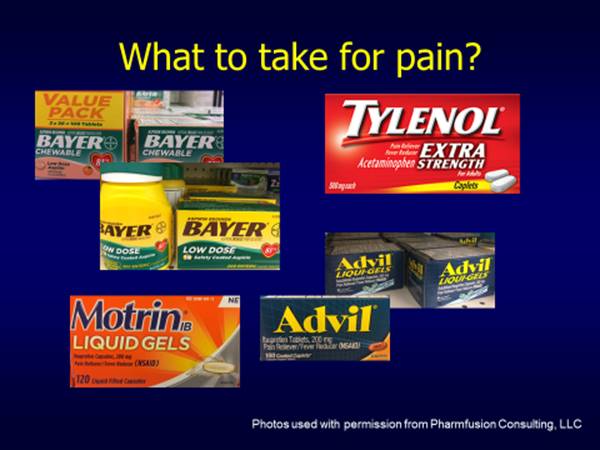
NSAIDs are medications such as ibuprofen (brand names Motrin and Advil), naproxen (brand name Aleve), and aspirin (brand names Bayer, Excedrin, Bufferin). These can relieve pain, fever, and inflammation. The over-the-counter doses are lower than the prescription doses.

There are three big risks associated with these that I want you to know about:

  1. They can be hard on your kidneys. Be sure your doctor and your pharmacist know that you take these, how much you take, and which ones you take. They will monitor your kidney function and likely ask you to stop taking them if your kidneys show signs of injury.
  2. They can be hard on your stomach. Your risk of stomach ulcer goes up when you take these. ALWAYS take them with FOOD. If you develop stomach pain, more indigestion, reflux, or burning, tell you doctor.
  3. They can raise your blood pressure. This in turn can increase the stress on your heart. If you have high blood pressure or a heart condition, talk with your doctor and pharmacist BEFORE choosing to take an NSAID.

Another important tip is to make sure your doctor and your pharmacist know you are taking any NSAID and how much. There are many of these available by prescription. I have seen many people who are taking a prescription and an over-the-counter NSAID at the same time. They had no idea because the names are different. So, share all of your medications – prescribed and self-selected – with your healthcare team. Too much NSAID makes the three risks stated above worse.

Acetaminophen

Acetaminophen (brand name Tylenol) is similar to the NSAIDs without the anti-inflammatory part. Acetaminophen can relieve pain and fever. Studies have found it is just as effective as NSAIDs for relieving pain not associated with inflammation.

There are two primary risks with acetaminophen:

  1. Too much can hurt your liver. The current guideline is to take no more than 3 grams (3,000 mg) per day.
    1. Drinking alcohol can make the damage to your liver even worse.
    2. If you already have liver problems, talk with your doctor and pharmacist BEFORE taking acetaminophen.
  2. It can increase the blood thinning effects of warfarin.
    1. If you are on a blood thinner, talk with your doctor and pharmacist about taking acetaminophen.

Note, acetaminophen can be found in many combination products. Please look for it in your headache, cold, flu, sinus, and prescription pain medications. The TOTAL amount for the entire day should be 3,000 mg or less.

Some other options

Sometimes there are simple things you can do that will relieve the pain without the use of medication. Here are just a few:

  • Stretching – for sore muscles and back pain
  • Icing – for sprained or strained muscles
  • Applying heat – for back pain
  • Drinking plenty of water – for headache
  • Closing the eyes and covering with warm compress – for headache
  • Exercising – even a stroll can help with some muscle and back pain and relieve tension related headaches

Your physical therapist is a wealth of information about stretches and exercises to relieve many types of pain. In many states, you can call and make an appointment with your physical therapist without a referral.

For more information about pain treatment options, contact us at Meds MASH at www.medsmash.com/contact.

BIBLICAL APPLICATION

What are the spiritual pains you have experienced or are experiencing now? Life brings plenty of pain and turmoil and struggle. NSAIDs and acetaminophen won’t do much for this type of pain. So what are your options?

Jesus, his disciples, and Paul provide us with a lot of instruction and comfort to guide us through these life pains.

2 Corinthians 4:8-10 ESV

We are afflicted in every way, but not crushed; perplexed, but not driven to despair; persecuted, but not forsaken; struck down, but not destroyed; always carrying in the body the death of Jesus, so that the life of Jesus may also be manifested in our bodies.

1 Peter 5:10 ESV

And after you have suffered a little while, the God of all grace, who has called you to his eternal glory in Christ, will himself restore, confirm, strengthen, and establish you.

If you’ve experienced painful experiences in your life, you are certainly not alone. We are guaranteed hardships. Our choice is how we deal with them. Most importantly, it’s how much we lean on God through them that matters.

Romans 8:18 ESV

For I consider that the sufferings of this present time are not worth comparing with the glory that is to be revealed to us.

Romans 5:3-4 ESV

More than that, we rejoice in our sufferings, knowing that suffering produces endurance, and endurance produces character, and character produces hope,

I think the following is a very comforting verse to memorize and lean on in difficult circumstances.

John 16:33 ESV

“I have said these things to you, that in me you may have peace. In the world you will have tribulation. But take heart; I have overcome the world.”

Blessings,

Michelle

Your amazing liver

Your Amazing Liver – what does it do exactly?

Your amazing liver
Your liver breaks down medication and many other functions.

You have a liver. Do you have any idea what it does? I would venture a guess that most people don’t.

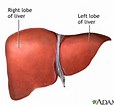
The liver sits in the upper right quadrant of your abdomen. When your doctor presses on your abdomen and puts fingers up under your ribs, that is what is being checked. Usually they won’t feel it or maybe just feel the very edge.

The liver has several functions:

  • Clotting factors in your blood are produced
  • Proteins in your blood are produced
  • Triglycerides and cholesterol are made
  • Stores vitamins
  • Removes toxins, such as ammonia, from the blood
  • Processes nutrients from our food
  • Regulates sugar in the blood
  • Metabolizes (breaks down) alcohol and medications

Of course it is the medication part that I am anxious to talk about.

What does the liver do to medication?

There are several types of enzymes in the liver.

These enzymes change the form of medications. They usually break medications down to a less active form. This also allows the medication to be processed and then to leave the body. If this slows down, then the medication stays in active form longer giving the medication a bigger effect and making it last longer.

Different medicines are broken down by different enzymes. Most of these enzymes are cytochrome P450 (CYP450)enzymes. There are several different CYP450 enzymes, each impacting different medications.

Some people have genetic differences that change those enzymes. For instance, a particular enzyme can be less active in some people based on their genes. This will make that medication more active, sometimes even toxic, for that person. It is becoming more common for people to be tested for any genetic changes that can help guide best medication use.

When there is more than one medication that is metabolized by the same enzyme that can change how those medications are broken down. This is where it really gets complicated. Some medications will induce the enzyme, or make it more effective. Others will inhibit the enzyme making it less effective. While others compete for the activity of the enzyme. These actions and interactions impact how well the medicine works and the amount of side effects it will have.

Even tobacco, some food, and herbs can impact the enzymes.

So, when your pharmacist is filling your prescription, there is SO MUCH more they are looking at than just getting the right number of tablets in to the bottle. The potential interactions need to be carefully screened each time any of your medicines are changed.

AND, this screening can only be complete if your pharmacist also knows what herbs, vitamins, over-the-counter, and other substances you take.

Pay attention to the extra instructions on your medicine label. These liver enzymes are often the reason for special instructions such as ‘avoid grapefruit’ or take at particular times of the day (to separate from other medications).

If you would like to know more about the liver and how liver enzymes impact medications, contact us at www.medsmash.com.

BIBLICAL APPLICATION

Just as the liver has a very specific function within the body, each element of the armor of God has a specific function.

Ephesians 6:10-17 NIV

Finally, be strong in the Lord and in his mighty power.  Put on the full armor of God, so that you can take your stand against the devil’s schemes.  For our struggle is not against flesh and blood, but against the rulers, against the authorities, against the powers of this dark world and against the spiritual forces of evil in the heavenly realms.  Therefore put on the full armor of God, so that when the day of evil comes, you may be able to stand your ground, and after you have done everything, to stand.  Stand firm then, with the belt of truth buckled around your waist, with the breastplate of righteousness in place, and with your feet fitted with the readiness that comes from the gospel of peace.  In addition to all this, take up the shield of faith, with which you can extinguish all the flaming arrows of the evil one.  Take the helmet of salvation and the sword of the Spirit, which is the word of God.

To take advantage of the full protection available to you, put on each piece of armor. Keep each functioning in its most complete and efficient form through prayer and reading the Bible.

If you’ve so much as glanced at the news in the last few weeks, you know that the ‘power of this dark world’ seems to be out in full force. People are hurting people all over the place.

Go out into this hurting world with your truth, righteousness, faith, assurance of salvation, and the Word securely in place.

Now is the time to have some scripture memorized or in your phone where you can reinforce your own understanding or reach out to others in an instant. That sword of the Spirit might be just what someone needs.

I’m praying for the hurt, the evil, the grief, the biases, the fear that separates us from each other and from turning to the love of God. May you be a light in this darkness.

Blessings,

Michelle

Image source: National Library of Medicine; National Institutes of Health; U.S. Department of Health and Human Services

Who knows your WHOLE regimen of medicine?

Pharmacy 005 copy
Let your doctors and pharmacist know your WHOLE regimen.

Which of your providers or pharmacists knows your WHOLE regimen of your medicines? When you go to your doctor you are likely asked about the medications you take. Some practices will ask you to include that information on a piece of paper on a clipboard in the waiting room. Some will hand you a computer with a list of questions that include your medicines. Still others will have the person checking you in ask you about your medications.

Do you take a list of all of your medications with you to the doctor?

Your doctor needs to know the names, the strength, the dose, and exactly how you take each medication.

Rather than try to memorize and remember all of this, make a list before you leave home.

  • Some people take pictures of each medication label and keep them in their phone.
  • Some people use the ‘Medical ID’ app on their smartphone.
  • Some people keep a list printed and in their wallet where it can be easily found by emergency personnel if needed.

Do you include all medicines prescribed by all doctors?

Many of the people I meet think their doctors talk to one another and coordinate their care. Although this is the desire of your doctors, it often does not happen. Your doctors and other providers find it hard to catch up with one another. Even if they work for the same health-system, important details and explanations are often not shared.

  • Include all medications coming from all of your doctors on your list.
  • Don’t assume one doctor explained the latest changes to the other doctors.

Do you include all of the medicines and other substances you take?

All of the substances you take have the potential to interact with each other. This means they can be dangerous when combined. If no one knows each substance you take, then those interactions cannot be checked.  It is important to have a thorough screen of your WHOLE regimen.

Include these items even if you only take them once in awhile.

I highly encourage you to include all of these on your written list.

  • Over-the-counter pain medicine (e.g. Tylenol, ibuprofen, Aleve, aspirin)
  • Stomach ache or acid reflux medicine
  • Headache medicine
  • Allergy medication
  • Eye drops
  • Nose sprays
  • Cold, flu, congestion medicines
  • Constipation or diarrhea medicines
  • Medicated creams or ointments
  • Vitamins
  • Supplements
  • Herbal therapies
  • Marijuana
  • Illicit drugs (at least tell your doctor about these)

I am finding that the people who make the decisions about your prescription medicines do not know all of these important facts. The over-the-counter, herbal, vitamin, and other substances can have side effects, cause problems, and interact just as prescription medications can.

Consider all of these to be MEDICATIONS! Let your doctors and pharmacist know your entire list – your whole regimen!

For more information about the importance of your complete medication list, or for a detailed review of your medication list, please contact us at www.medsmash.com.

BIBLICAL APPLICATION

Just as there are a variety of medications that may be needed for overall health, there are a variety of things we need to include in our lives for our spiritual health. What are the components of your spiritual life?

In what ways do you acknowledge, praise, worship, study, talk with, share, enjoy, and spend time with God?

I liken the prescription medications from your primary doctor to Sunday worship and owning a Bible.

The specialist medications are like the Bible study, Sunday School, and other special short term studies.

What about the components that you choose for yourself from the smorgasbord of options? Do you include prayer, worship music, contemporary Christian music, daily devotions, meditation, accountability partners, online resources, or other choices?

Do you select a wide variety of options?

Do you stick to one or two?

Do you limit yourself to the Sunday morning selections?

Colossians 3:12-17 (MSG) gives several ideas about the many ways you can keep God active in your life.

So, chosen by God for this new life of love, dress in the wardrobe God picked out for you: compassion, kindness, humility, quiet strength, discipline. Be even-tempered, content with second place, quick to forgive an offense. Forgive as quickly and completely as the Master forgave you. And regardless of what else you put on, wear love. It’s your basic, all-purpose garment. Never be without it.

Let the peace of Christ keep you in tune with each other, in step with each other. None of this going off and doing your own thing. And cultivate thankfulness. Let the Word of Christ—the Message—have the run of the house. Give it plenty of room in your lives. Instruct and direct one another using good common sense. And sing, sing your hearts out to God! Let every detail in your lives—words, actions, whatever—be done in the name of the Master, Jesus, thanking God the Father every step of the way.

There are so many ways you can get to know God better. Even if you have been studying and worshipping for decades, there is more to learn and more love to experience.

Then there is prayer. There is real power in prayer.

James 5:13-16 (ESV)

Is anyone among you suffering? Let him pray. Is anyone cheerful? Let him sing praise. Is anyone among you sick? Let him call for the elders of the church, and let them pray over him, anointing him with oil in the name of the Lord. And the prayer of faith will save the one who is sick, and the Lord will raise him up. And if he has committed sins, he will be forgiven. Therefore, confess your sins to one another and pray for one another, that you may be healed. The prayer of a righteous person has great power as it is working.

Prayer that acknowledges God and His will and timing can do great things. Never overlook the power of prayer.

It is my hope this has inspired you to add some more elements to your daily walk with God. The God who created the Universe and who loves you beyond measure looks forward to each and every remedy you select to stay close to Him and know Him better.

Blessings,

Michelle

Posttraumatic Stress Disorder (PTSD) – Is It Real?

Slide1
There are growing resources, help, and hope for those with PTSD.

Posttraumatic Stress Disorder (PTSD) is finally becoming a topic that is discussed – in public. It finally has ‘a voice’ and several avenues of treatment to address it.

I was fortunate to serve about seven years of my career in the Veterans Affairs system. I worked alongside some of the best, most caring providers and the most robust interprofessional teams. These teams consisted of physicians (geriatricians who focus on people over 65, in my case), nurses, pharmacists, dieticians, physical therapists, occupational therapists, social workers, psychologists, psychiatrists, and every level of trainee – students, residents, and fellows. Together we provided care to aging adults in the clinic, the acute care hospital, the intermediate unit, long-term-care (nursing home), and the domiciliary. The ‘dom’ was long term, independent housing for veterans who did not have a family to live with after the war.

I am thankful for every veteran that has served our country in one of the countless ways our uniformed services care for this country every day. The stories I heard during those years were enlightening, empowering, endearing, and sometimes gut wrenching. I have heard others say this: In my experience, those who talked the least about their service saw the most ‘action’ and devastation.

One day I was in clinic with a student. It was a very normal day. As the pharmacist, my visits mostly pertained to medications – why, how, when they are taken and the result. On this day, during a normal pharmacy clinic visit, one of our veterans told his story. It forever changed my life. Here is a paraphrase. I will leave out the specific war, because the story could fit any of them.

“I was assigned the night guard shift for my platoon. It was my duty to walk around the perimeter of the base to look for anyone (of the enemy) who might try to attack at night. It was typically uneventful. One night, as I rounded a corner, I was face-to-face with a man from the ‘other side.’ In a split second I thought about my family – my wife and children. I thought about how I just want to go home to them. I thought I don’t know this man. I don’t hate this man. He probably has a wife and children waiting for him at home, too. We might even be friends in other circumstances.’

We all sat and cried for a long time.

After this event, this man, this veteran had a mental breakdown. He was sent to an island where soldiers not able to function in combat were stationed during that war. While there he started trying to stop reliving the event through alcohol. When he finally got home to his wife and children, he was an alcoholic. He had posttraumatic stress disorder. But, it wasn’t recognized, diagnosed, and treated as it is now. I certainly don’t know all of the details, but he and his family were not able to reunite and stay together. It broke my heart to see what had happened. I wonder if his wife and children ever knew what happened? I wonder if knowing could have changed the outcome for their family. No doubt he would be forever changed after an experience like that.

Post Traumatic Stress Disorder (PTSD)

PTSD is a condition where there is stress and symptoms for more than three months after a trauma or highly stressful event (or series of events). The stress and symptoms disrupt regular daily activities and are distressing. PTSD can result from war (as in the example above), natural disasters, sexual or physical assault, horror, accidents, or other terrifying event. PTSD can present in about four different ways.

  1. Reliving the event – nightmares, flashbacks, triggers
  2. Avoiding any reminders of the event – driving if in a car crash; crowds if they cause insecurity; fireworks if associated with gunfire; movies related to the event
  3. Negative feelings or changes in feelings about the world and the future; suppressing or forgetting parts of the event
  4. Feeling keyed up (hyperarousal) – easily startled, trouble sleeping, difficulty concentrating

Treatment has multiple components. Understanding PTSD is an important step. Counseling and cognitive behavioral therapy can help. In cognitive behavioral therapy, people can become aware of thoughts and feelings, and that allows them to be processed and better understood. Then skills to face those feelings and make changes in a way that allows them to have less impact are developed. For each person, this process is different. There are highly trained, experienced therapists who will work with each personal individually.

For medication treatment, selective serotonin reuptake inhibitors (SSRIs) are most commonly used. These are medications that are also commonly used to treat depression and anxiety. They are unlikely to resolve symptoms alone. They are an important part of the multiple components of treatment.

Other components might be exposure therapy, group therapy, family therapy, and more.

A recommended site to learn more about PTSD is through the VA.

Again, there is a growing number of resources available to anyone who might be experiencing PTSD. If you or someone you know might have PTSD, please seek help right away. To suffer alone is not the answer. Alcohol, drugs, and suicide are not the answer. Help is available!

For more information about PTSD, contact us at www.medsmash.com.

BIBLICAL APPLICATION

PTSD is a real disorder. It is estimated about 3.5% of adults in the US have PTSD. Over 9% of people ages 50-65 have now or have experienced PTSD.

It can be hard to think rationally when suffering from PTSD. The terror, stress, and anxiety can keep the brain in ‘fight or flight’ mode. When in this mode, reflection, perspective, and problem-solving functions are very limited.

So, how can you support someone suffering from PTSD? Understanding the disorder and being a source of compassion and love are good places to start.

No platitude or Bible verse makes PTSD go away. Some Christian leaders have implied PTSD is something that can be chosen or can be avoided with a focus on God. I strongly disagree. Sinful people can hurt, traumatize, and destroy other people. Even people who know and love God can be traumatized.

But as people of God, we can support people who have suffered. If you have PTSD, know you are not alone. If you know someone who has (or you suspect may have) PTSD, approach with God’s unconditional love. Support through the many stages and steps of recovery and learning to cope. PTSD doesn’t just go away at some point; it might take a lifetime of coping and skill building to live in spite of past trauma.

There are many stories of violence, war, and crimes in the Bible.

These are followed by God’s restorative grace and mercy.

There are many verses about love, strength, deliverance, and rest for our soul.

In time, with treatment and a strong support network, these conversations can be had.

Until then, in the more acute phases when the brain is so busy with ‘fight or flight’ mode, prayer, presence, and unconditional love are ways you can start the story of grace.

Be on the lookout for people who may have PTSD who are not yet receiving treatment. Pray for the many people in our world who are PTSD victims. Love and care for those with PTSD in your life.

1 John 4:11-12 The Message (MSG)

My dear, dear friends, if God loved us like this, we certainly ought to love each other. No one has seen God, ever. But if we love one another, God dwells deeply within us, and his love becomes complete in us—perfect love!

Blessings,

Michelle

Are Your Medicines Improving Your Quality of Life?

Slide1
Quality of life should be preserved and enhanced with your medication.

Medications have two main purposes.

  • One is to increase your QUALITY of life. They relieve or control the symptoms that make it hard to do our daily tasks. Quality of life is your ability to enjoy and engage in your life. It is your ability to do the things you want to do during the day.
  • The other is to increase your QUANTITY of life. They help control medical conditions so you can live longer.

ALL medications have potential side effects. Some of these side effects are a minor nuisance that goes away. Some of these side effects are so severe you are changed to a different medicine. Then there are some times when another medicine is started to treat the side effects of the first medicine. In most situations I highly discourage this practice. There are a few select exceptions.

Medications and Quality of Life

This blog is about the medications that are prescribed to help you live better. Using them is intended to improve your quality of life. But, they have side effects that keep you from functioning normally. Those side effects actually decrease your quality of life. Here are a few examples:

  • Pain medication for back pain makes you so sleepy you just lay around.
  • Blood pressure medicine makes your blood pressure so low you don’t have the energy to do regular daily tasks or you get really dizzy when you stand up or turn quickly.
  • Anxiety medicine keeps you so groggy you can’t function.
  • Sleep medicine keeps you sleepy all through the next morning.
  • Diabetes medicine makes your blood sugar so low you are weak, shaky, and dizzy.
  • Parkinson’s Disease medicine makes you so dizzy you can’t go out.
  • Incontinence medicines makes you so constipated you are miserable.

It doesn’t make sense for a medicine intended to help to actually cause just as many problems as the thing it was prescribed to treat. Talk to you doctor! Your doctor might not know unless you talk about it. Your relationship with your doctor should include conversations about your goals. Let your doctor know what daily events and tasks are important to you. Then, work together to reach those goals through medication, physical therapy, counseling, diet, or other means.

We are here to help, too! At Meds MASH we will carefully review all of your medicines to be sure you are getting the maximum benefit with the least side effects. Often a dose change or an alternate medication can make a huge difference. We work closely with your doctor to optimize your medicines. You don’t need to live with side effects that hold you down. Contact us at www.medsmash.com.

BIBLICAL APPLICATION

What is your purpose for being? I had a chance to ‘people watch’ for a while this week. It got me thinking about what drives people. We know that EVERYONE has insecurities. Everyone has struggles. God has a purpose for everyone. Society gives a lot of messages that don’t align with the Bible. A lot of people have never even heard about the God who loves them. People have so many reasons for the actions they take. As a whole, people are so confused.

Here are a few reasons for decisions that come to mind:

  • Some people elevate themselves by suppressing others.
  • Others spend all of their time growing their sphere of influence.
  • Some live to serve and please others (sometimes at risk to themselves).
  • Several spend their time protecting themselves.
  • And then some hide from other people and insulate themselves.

Our selfish actions can have unwanted side effects, just like the medications discussed above.

Are we to spend this life racking up points? No! That is exactly why Christ died and rose. He took the ‘rules’ and replaced them with grace and redemption. You don’t have to ‘earn’ your way to Him.

John 3:16-18 The Message

“This is how much God loved the world: He gave his Son, his one and only Son. And this is why: so that no one need be destroyed; by believing in him, anyone can have a whole and lasting life. God didn’t go to all the trouble of sending his Son merely to point an accusing finger, telling the world how bad it was. He came to help, to put the world right again. Anyone who trusts in him is acquitted; anyone who refuses to trust him has long since been under the death sentence without knowing it. And why? Because of that person’s failure to believe in the one-of-a-kind Son of God when introduced to him.

I’m hoping this makes you rethink your purpose for being the way it makes me rethink mine. As I make decisions each and every day, what is my underlying motivation?

I am called to believe, trust, and follow in faith. If I am walking closely with God, He will help me make decisions that make sense. He has this perspective that is so far beyond anything I could imagine.

Proverbs 3:5-6 ESV

Trust in the Lord with all your heart, and do not lean on your own understanding. In all your ways acknowledge him, and he will make straight your paths.

James 1:5 ESV

If any of you lacks wisdom, let him ask God, who gives generously to all without reproach, and it will be given him.

So contrary to what society tells you and where your own flawed thinking might take you, your priority can be God’s plan for you. Staying focused on this can help you avoid decisions that hurt other people. It can help you take the focus off of yourself. It won’t rid you of problems, but it can increase your confidence that you’re not alone.

Just say ‘no’ to the side effects of selfish thinking!

Blessings,

Michelle

Sleep – To Medicate or Not to Medicate

sleepingproblems
Regular sleep helps you think clearly and make better decisions

AAAhhhhh, there is nothing like a good night’s sleep. Don’t you feel refreshed and ready to conquer the world when you are well rested? How do you feel when you haven’t been sleeping well? Irritable, short-tempered, unfocused, …?

Feeling extra sleepy is linked to:

  • Motor vehicle accidents
  • Poor test performance
  • Poor decision making
  • Difficulty concentrating
  • Difficulty solving problems
  • Mood changes
  • Pain intolerance
  • Mistakes
  • Errors in judgment

So, it is not all in your head if you think you don’t have such a great day when you don’t sleep well.

The TV commercials tell you to grab one of the over-the-counter sleep medicines. I want to DISCOURAGE you from doing that. Most of the over-the-counter sleep options contain either diphenhydramine (Benadryl) or a sedating antihistamine like doxylamine. These medications are not recommended in people over 60. Not only do they make you really sleepy, they are very anticholinergic.

Anticholinergic

Anticholinergic medications are very drying. They cause dry mouth, dry eyes, constipation, and difficulty urinating. They also make your thought process fuzzy. Medications with anticholinergic side effects greatly increase risk of falls. There are MANY studies showing that people who take these sleep aids are more likely to fall.

Zzz sleep medications

There are some newer prescription sleep medications available. Three are referred to as the ‘zzz’ medications. They are zaleplon (Sonata), exzopiclone (Lunesta), and zolpidem (Ambien). Note the ‘z’ in each name. These are options when all good sleep habits have been tried and failed; or when insomnia occurs regularly or for a prolonged time. When they are used, the lowest possible dose for a short time is best. Each of these medications is linked to falls (especially if you get up during the night to go to the bathroom while sedated). Each is linked to car accidents if you drive while still under the effect of the medication. Each can cause odd behaviors in come people such as sleep driving or other tasks while asleep. I had a patient once who awoke to find Wal-Mart bags full of merchandise all over her living room floor. She had gone to Wal-Mart in her sleep and had a shopping spree. She brought it all home and into the house then went back to bed. She could remember none of it.

So use these medications only when necessary, at the lowest possible dose, for a short time under the careful guidance of a prescriber. Only take one when you are able to stay in bed and sleep for a full night (7-8 hours). These are NOT for a short sleep and get-up-and-go kind of night.

BEST sleep habits

Prior to considering adding medications, these habits can help you sleep better.

  • Keep your sleep schedule regular – Go to bed and get up at the same time each day.
  • Keep your bed for sleep and sex only.
  • Avoid daytime naps.
  • Avoid caffeine, chocolate, alcohol, or spicy food.
  • Avoid TV, reading your phone, using your computer right before bed. The light of the electronics triggers your brain to be active. There are several studies linking use of electronics before bed to poor sleep.
  • Get some exercise during the day so your body is tired as well as your brain.
  • Try deep breathing. Take slow, deep breaths in and slowly blow them out.
  • Try progressive muscle relaxation. Start at your toes. Squeeze your toes tightly then let them relax. Keep going with all of the muscles as you work up your body.
  • There are several other techniques available in the links on this page.

I highly encourage you to try all of the sleep techniques that don’t involve medications first. Then, if you do need medication, get a prescription from your doctor for a low dose. Use it only when truly needed for a very few days. Be sure you can dedicate a full night to sleep before taking a dose.

One other option when good sleep habits aren’t enough is melatonin. Melatonin is a natural product that improves sleep in some people. It takes up to a month to see the full effects. It can help you fall asleep quicker, sleep better, and sleep longer. Each dose won’t necessarily make you feel sleepy. The impact is more gradual over time. The starting dose is 2-3 mg at bedtime.

For more information on sleep options, contact us at www.medsmash.com.

BIBLICAL APPLICATION

It’s amazing how the eternal confidence of unconditional love can enhance sleep.

All of us have our overwhelming days, our painful nights, our frightening challenges.

We also have a source of hope and joy to see us through all circumstances. In Christ, you know who is ultimately in control. You know where you will be spending eternity.

So, on those bad, sleepless nights, give your burdens to the One who is asking you to give them over.

Proverbs 3:24 ESV

If you lie down, you will not be afraid; when you lie down, your sleep will be sweet.

Psalm 4:8 ESV

In peace I will both lie down and sleep; for you alone, O Lord, make me dwell in safety.

Psalm 121 CEV

The Lord Will Protect His People

I look to the hills!

    Where will I find help?

It will come from the Lord,

    who created the heavens

    and the earth.

The Lord is your protector,

    and he won’t go to sleep

    or let you stumble.

The protector of Israel

doesn’t doze

    or ever get drowsy.

The Lord is your protector,

there at your right side

    to shade you from the sun.

You won’t be harmed

by the sun during the day

    or by the moon[a] at night.

The Lord will protect you

    and keep you safe

    from all dangers.

The Lord will protect you

    now and always

    wherever you go.


Sweet dreams and blessings,

Michelle

Image source: Source:  National Library of Medicine; National Institutes of Health; U.S. Department of Health and Human Services