Narcotic Addiction – the epidemic and new strategies

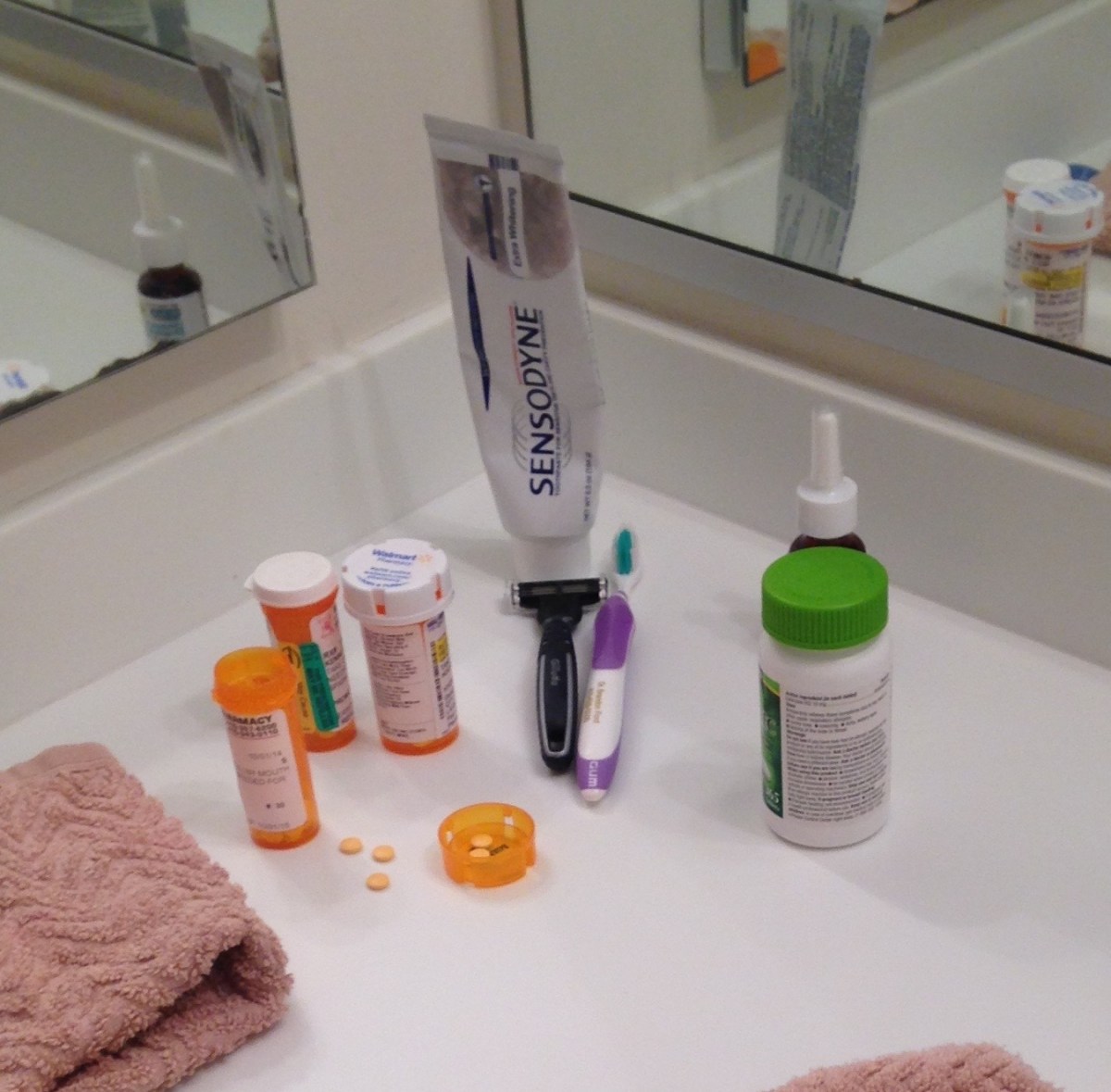
Meds bathroom
Prolonged use at higher than necessary doses can lead to opioid (narcotic) addiction

Narcotic addiction is now at epidemic proportions. Drug abuse has been with us for all of recorded time. The specifics of the drug(s) most commonly abused change over time. Sometimes the most abused drugs fall out of favor for a while and then reemerge. Common examples from the past few decades include LSD, cocaine, crack cocaine, and inhalants.

Right now, prescription opioid pain medicines (narcotics) are being abused at an alarming rate.

According to the Centers for Disease Control (CDC), 2 million people abused or were dependent on opioid analgesics in 2014.

Refer back to last week’s blog. Terms are very important here. Dependence is a physiologic response to these medications. Anyone who takes them over time will have some changes in how their body handles pain signals. The body’s normal response takes a backseat to the medication. In order for the body to take over again, the medication needs to be titrated off slowly. If you stop the medication all of a sudden, the body goes through withdrawal. It can’t take back over the pain control that quickly. It needs time to gear up. NOTE, this type of dependence and withdrawal is different than ADDICTION.

Addiction

Genetic, psychosocial, and environmental factors all play a role in the creation of an addiction.

Addiction usually occurs when the opioid medication is continued after the pain has gotten better. Sometimes people keep taking the medication for the effects beyond the pain relief. Some people feel a euphoria or high while others are very laid back.   If they keep continuing the medication for this purpose, then addiction can occur. Not only are the body’s receptors letting the medication handle pain it is seeking these other effects. Over time it takes a higher dose more frequently to get the same amount of desired effect. So, doses keep going up and desire to take the medication is very strong.

The FBI and the DEA created a documentary about this addiction. If you would like to know more, I highly encourage you to watch this video. You can find it at this link: https://www.fbi.gov/news/stories/2016/february/raising-awareness-of-opioid-addiction/video/chasing-the-dragon-the-life-of-an-opiate-addict.

In March of this year (2016), the CDC released new guidelines for prescribing of these medications. If you would like to read them, you can find it at this link: http://www.cdc.gov/drugoverdose/prescribing/guideline.html . These guidelines are emphasizing less use.  Use only for moderate to severe pain.  Use at the lowest possible dose for the shortest time possible. There are other, non-addictive options for lesser pain.

When people addicted to prescribed opioid pain medications can’t get more prescriptions, they often turn to heroin. This is another opioid substance that is illegal but sadly, easier to get ‘on the street’. This allows the addicted person to keep getting the effects they are seeking. Note, at this point, addicted people realize this is a miserable, horrifying state. But the demands for more drugs override common sense. Again, I highly recommend watching the video created by the FBI and DEA.

So overcoming this epidemic is being addressed from the prevention side by the new prescribing guidelines. It is also being addressed through new medications and techniques to help people escape the addiction. So, there is hope for the future with this addiction!

If you would like to know more about narcotic addiction, new steps to address it, or similar topics, contact us at www.medsmash.com.

BIBLICAL APPLICATION

Temptation has been part of our world since Adam and Eve, the very first people. It did not take mankind long at all to prove how difficult resistance to temptation can be.

I first want to send a loud, clear message that love, compassion, forgiveness, and constant support are key elements of walking away from addiction. Rather than avoid, isolate, and punish those who find themselves addicted, we have a calling to reach out in love and be part of that crucial support network.

Proverbs 17:17 TLB

A true friend is always loyal, and a brother is born to help in time of need.

1 Peter 4:8 NIV

Above all, love each other deeply, because love covers over a multitude of sins.

I want to write about temptation and the fact that it is a fact of life. God knows all about the temptations in our path. He is also there to help us through. And when we are entangled in a temptation that we did not resist, He is there to bring us back away from it.

1 Corinthians 10:13 ESV

No temptation has overtaken you that is not common to man. God is faithful, and he will not let you be tempted beyond your ability, but with the temptation he will also provide the way of escape, that you may be able to endure it.

1 Peter 5:8 ESV

Be sober-minded; be watchful. Your adversary the devil prowls around like a roaring lion, seeking someone to devour.

James 1:12-15 ESV

Blessed is the man who remains steadfast under trial, for when he has stood the test he will receive the crown of life, which God has promised to those who love him. Let no one say when he is tempted, “I am being tempted by God,” for God cannot be tempted with evil, and he himself tempts no one. But each person is tempted when he is lured and enticed by his own desire. Then desire when it has conceived gives birth to sin, and sin when it is fully grown brings forth death.

1 John 2:16 ESV

For all that is in the world—the desires of the flesh and the desires of the eyes and pride in possessions—is not from the Father but is from the world.

I pray you are always aware of the temptation around you and the help available to you at all times from God. I also hope you find opportunities to reach out to those who have fallen into temptation and love them back out of that snare. That love might be tough love, but the Bible is full of examples of that too. Check out Luke 6:27-49.

Blessings,

Michelle
Narcotics, opioids, and addiction – important facts

Slide1
Learn the facts about safe use, natural physiologic changes when you take opioids, and addiction.

There is a lot of information in the news about narcotics, opioids, overdose, death, and a heroin epidemic. Now there is new legislation to try to stop this downward spiral. Have you found it confusing? If you say yes, you are not alone!

First, narcotics = opioids

The correct medical term for these pain medicines is ‘opioid’. This refers to the way they work. These pain medications interact with the mu-receptors and other opioid receptors throughout the brain (and the gastrointestinal tract). As they trigger the mu-receptors, they block pain sensations. They can also cause euphoria, dysphoria, or sedation. So, they can make you feel really good, really laid back, or really sleepy.

There are several medicines that fall in this category of opioids. Here are a few (and some brand names):

  • Morphine (MS Contin, Avinza)
  • Hydromorphone (Dilaudid)
  • Codeine – combined with acetaminophen (Tylenol #3)
  • Hydrocodone – combined with acetaminophen (Lortab, Norco, Vicodin)
  • Oxycodone (OxyContin, Roxicodone)
  • Meperidine (Demerol)
  • Fentanyl (Sublimaze, Duragesic)
  • Methadone (Dolophine)

These medications have been used for decades to treat moderate to severe pain. Pain relief is important in many instances not only for your quality of life but also to get you moving again after a painful event. For instance, it is critical that you get moving again soon after a knee replacement, back surgery, or other similar surgery. As you get moving again you increase your chance of really getting back to full function. You also decrease the risk of a blood clot from lack of use. But, those surgeries are painful. The opioid medication helps relieve that pain allowing you to start your rehabilitation.

When used short term for pain, addiction is not likely

Addiction is usually associated with long term use and/or use for the feeling you get from the medication beyond the pain relief. It is also associated with using more than you are prescribed. To safely use opioid pain medication, use the lowest dose that allows you to move through your pain. Also, use it for the shortest time possible. As the pain level decreases, you can move from an opioid  to a nonopioid pain medicine. Work with your prescriber to determine when you are ready for this change and which option will work best for your pain.

Key terms

The body contains a wonderfully complex system of signals and receivers to transmit and control pain sensations. The body and these communication pathways in the brain and the central nervous system are well organized. When the pain signals are too distressing and an opioid pain medicine is added, the normal body signals and receivers adapt to the effect of the opioid pain medicine. There are natural, physiologic changes that occur in your body as these medicines are used over time. I want you to understand these changes. When they occur, they do not mean you are addicted!

Physical dependence – As the body lets the medicine treat the pain, the body’s normal pain process relaxes.

Tolerance – When you take an opioid pain medicine over time, those nerve transmitters (signals) in your body adapt. Over time doses have less effect and last a shorter period of time. So, over time, the dose needed for the same pain relief goes up.

Withdrawal – When the opioids are suddenly taken away, the body can’t take over the pain control immediately. If this sudden stopping of the medicine happens, you will feel body aches, irritability, fast heart rate, weak. and have difficulty sleeping. You might also yawn, shiver, and have an upset stomach.

These are the body’s normal reaction to having the opioid pain medicine take care of the pain. When your pain level drops to mild to moderate pain, your prescriber will start to slowly decrease your dose of opioid pain medicine. This will allow your body’s normal process to take back over in controlling your pain.

Next week we will cover more about addiction and steps being taken to stop the current epidemic of opioid pain medicine abuse. Addiction involves continued use over time, inability to control drug use, compulsive drug use, continued use even when you know the drug is hurting you, and craving of the drug.

These opioid medications can play a very healthy role in controlling your pain when dosed appropriately and used for the shortest time possible.

If you would like to know more about opioid pain medicines and how they affect you, please contact us at www.medsmash.com.

BIBLICAL APPLICATION

Addiction is so very complex. It is one of many examples of how something good for you can become something bad for you.

It is not possible to look at someone and say, ‘He is an addict.’ Or ‘She is likely to be an addict.’ It is not true that ‘bad people’ become addicts while ‘good people’ avoid that outcome. Parts of the addiction process seem to be within our control while others take us by surprise. We will go in to more detail next week.

So, this is a key area when we can share our compassion and the love of Christ.

It is also a reason to reflect on our self-control. This is one of the fruits of the spirit.

Galatians 5:22-23 ESV

But the fruit of the Spirit is love, joy, peace, patience, kindness, goodness, faithfulness, gentleness, self-control; against such things there is no law.

We are all tempted by various things. One of Christ’s messages to us is to let Him be our strength and shield.  This was shared by Paul as he was explaining why and how we should stay away from idols and temptations that lead off the path to Christ.

1 Corinthians 10:13 ESV

No temptation has overtaken you that is not common to man. God is faithful, and he will not let you be tempted beyond your ability, but with the temptation he will also provide the way of escape, that you may be able to endure it.

Psalm 28:7 ESV

The Lord is my strength and my shield;

    in him my heart trusts, and I am helped;

my heart exults,

    and with my song I give thanks to him.

Peter sums up our role to work on our own self control and in the process share love and compassion with our fellow humans.

2 Peter 1:5-7 ESV

For this very reason, make every effort to supplement your faith with virtue, and virtue with knowledge, and knowledge with self-control, and self-control with steadfastness, and steadfastness with godliness, and godliness with brotherly affection, and brotherly affection with love.

Blessings,

Michelle

Appropriate medications – same at 30, 60, and 90?

ID-10093880
Appropriate medications over age 60

Should the same medications and doses be prescribed for all ages? No! However, we find that often they are.   If a medication was a good choice for you at 30, is it still a good choice at 60 or 90? Not necessarily. So, why does age matter?  How do you know that you are taking all appropriate medications?

What changes as we age?

Even if you eat right, exercise regularly, and make good choices about alcohol and tobacco, changes occur over time.

  • Kidney function starts a very gradual decline in your late 30’s or early 40’s.
  • Liver size and blood flow to your liver diminish. The number of cells shrinks. There is less activity of the enzymes that break down medications.
  • Food and medications move through the intestine more slowly.
  • The volume of urine that the bladder can hold decreases. Bladder muscles weaken.
  • For men, the prostate gland increases in size.
  • For women, the urethra shortens and comes thinner. So, risk of urinary tract infection goes up.
  • Muscles weaken as growth hormone levels decline.
  • Aldosterone levels decrease, so risk of dehydration goes up.
  • The immune system slows down. So, risk of infection and cancer go up. Also, it can take longer to treat an infection.
  • Heart muscle and blood vessels get stiffer. This can increase risk of high blood pressure. Also, with exercise, the heart can’t pump as much blood or speed up as much as it did at younger ages. So, exercise capacity is lower.
  • The muscles involved in breathing weaken. There is a decline in the number of small sacs in the lungs where oxygen is passed to the blood.
  • The amount of water in the body goes down while the body fat goes up.

This list is not meant to depress anyone. These are just some of the very natural changes that occur in all of us. So with all of this change, the need for medication, the types of medications that are needed, and the doses of medications are all different.

Nearly all medications leave the body through the urine or the stool. Most medications are changed as they pass through the liver. There are enzymes in the liver that break down those medications. When the kidneys and liver become less functional, it takes longer to get the medications back out of your body. This means a single dose can last longer or have a bigger impact.

Most medications have a preference for water (hydrophilic) or fat (lipophilic). Since body water and fat both change, medication concentrations also change.

Guidelines for taking appropriate medications

There are so many changes to manage that guidelines have been written to try to decrease some of the more common mistakes that are made. These are oriented to people over age 65. The Beer’s List was first developed by a group of doctors in 1991. It has since been updated many times. It contains a list of medications not to use and another list to use with special precautions. There is also a guideline called STOPP that lists medications to avoid in adults over 65. For both guidelines, there are safe options to use in place of the medications on the lists.

If you are 60+, is there a specialist in medication use for people of your age monitoring your medication use? Can you really afford to avoid this review? We have found there is some issue to address 98% of the time we provide an assessment. For your personal assessment, contact us at www.medsmash.com.

BIBLICAL APPLICATION

Medications change as you age. And so do so many other things. Many of these changes are wonderful! You benefit from the many lessons you’ve learned through your life so far. You are able to share those experiences, insights, and lessons with others. You probably sweat the small stuff less. You also tend to enjoy the little things more.

I heard a message today that really captured my attention. A picture was painted about grace and faith and their relationship.

As stated by John Stott, ‘Faith’s exclusive function is humbly to receive what grace offers. Grace gives and faith takes’.

Grace is offered to you on a constant basis. But, it has been my experience, it takes time and lessons learned to really develop faith so that grace can be received. Faith tends to grow with time and experience.

Ephesians 2:8 ESV

For by grace you have been saved through faith. And this is not your own doing; it is the gift of God,

Hebrews 11:1 ESV

Now faith is the assurance of things hoped for, the conviction of things not seen.

Romans 10:17 ESV

So faith comes from hearing, and hearing through the word of Christ.

Salvation by grace is a gift. Faith is how you receive that gift.

Ponder this great news this week!

Blessings,

Michelle

When repetition causes pain – osteoarthritis

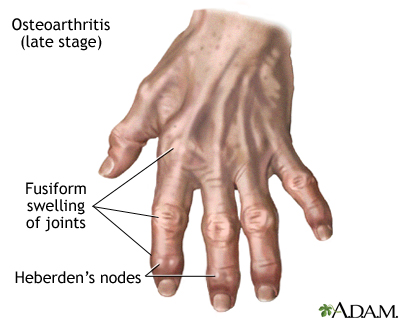
OA hand
Late stage hand osteoarthritis

Osteoarthritis (OA) is a very common and painful condition. One way to explain it is that the cushion, or cartilage, lining bones wears away leaving bone to wear on bone.

Some of the most common causes of osteoarthritis are:

  • Injury to the joint– e.g. sports or motor vehicle accident
  • Repetitive use of a joint
    • In your job
    • In hobbies
    • In sports
  • Being overweight

Currently, there is not a way to rebuild the cartilage that wears away. So, the goals of treatment are:

  • to maintain what cartilage is left,
  • avoid making it worse,
  • keep you doing what you need to do during your day
  • control pain

Occupational and physical therapists can help.  They are experts in helping you find new ways to perform tasks without making the joint worse. There are many tools that can help support painful joints such as knee braces and thumb splints.

Ways to manage osteoarthritis pain without medication include:

  • heat application to the painful joint
  • lose weight if overweight (especially helpful for foot, knee, and hip arthritis)
  • swim – less wear on the joint than land-based exercise
  • find new ways to do tasks that don’t wear on the joint

OSTEOARTHRITIS MEDICATION THERAPY

The number one, gold-standard therapy for OA is acetaminophen. (A common brand name is Tylenol). Acetaminophen can help manage the pain. It is most effective if it is taken regularly (two extra strength 500mg tablets three times daily). This works better than waiting for pain to get really bad then taking a dose.

Note, be sure to check with your doctor to make sure your liver is healthy. And, limit or avoid alcohol to further protect your liver while taking acetaminophen.

The other medications commonly used for OA are nonsteroidal anti-inflammatory drugs (NSAIDs) such as ibuprofen (brand names such as Motrin and Advil) and naproxen (brand name Aleve). These are also good for reducing arthritis pain. They can raise blood pressure, so avoid them if you have high blood pressure, heart failure, or a strong family history of heart attack. They can worsen kidney function, so talk with your doctor to be sure your kidneys are healthy. They can irritate your stomach, so always take them with food. Another option in this class of medicine is celecoxib (brand name Celebrex) that has less stomach irritation.  There are also topical versions that avoid some of the side effects.  You rub these onto the joint area that is in pain.

So, first and foremost, stop doing repetitive activities that are hurting your joint(s). Second, take steps to preserve the joint function you still have. Third, medication can help with the pain association with osteoarthritis. Be sure to discuss the pros and cons of the medication options with your doctor and/or with us.

For more information about osteoarthritis and treatment, contact us at www.medsmash.com.

BIBLICAL APPLICATION

Insanity: doing the same thing over and over again and expecting different results. Albert Einstein

Just as repetitive movement can worsen osteoarthritis, repetitive approaches to anything can ultimately lead to harm if those approaches are not productive.

  • In your spiritual life, how responsive are you to God’s call?
  • How much do you vary your Bible study?
  • What types of worship have you experienced?
  • How does your prayer life vary in the seasons of your life?

It is so easy to fall in to a rut. You are busy; daily tasks use up all of your time. Prayer becomes relegated to particular times or left out completely. Sunday worship becomes your primary connection to God. Fellowship with other believers only occurs walking in and out of church.

Paul has some ideas about the many ways to worship in his letter to the Colossians:

Colossians 3:14-17 ESV

And above all these put on love, which binds everything together in perfect harmony. And let the peace of Christ rule in your hearts, to which indeed you were called in one body. And be thankful. Let the word of Christ dwell in you richly, teaching and admonishing one another in all wisdom, singing psalms and hymns and spiritual songs, with thankfulness in your hearts to God. And whatever you do, in word or deed, do everything in the name of the Lord Jesus, giving thanks to God the Father through him.

I encourage you to get creative and deliberate in your spiritual life. God has so much to share with you as you let Him in. His joy, peace, and love can change everything!

Blessings,

Michelle

Image Source:  National Library of Medicine; National Institutes of Health; U.S. Department of Health and Human Services

Over-the-counter NSAID pain medicines – how safe are they?

Slide1Some people think medicines that are available over-the-counter are always safe.   I don’t want you to be one of those people. Ibuprofen and naproxen are a class of medicines called nonsteroidal anti-inflammatory drugs (NSAIDs). They can treat pain, inflammation (swelling and redness), and fever. Hundreds of million of Americans take them every year. You probably have some in your home right now.
The NSAIDs that you can buy without a prescription are ibuprofen (brand names Motrin, Advil) and naproxen sodium (brand name Aleve). They are part of a class of over 20 medications that are available by prescription.

5 IMPORTANT THINGS about NSAIDs

There are five important things I want to make sure you know about these medicines:

  1. They do work to treat mild to moderate pain, fever, and inflammation. They all work the same way. No measurable difference between them in how they work has been found. So one is not better than another.
  2. They irritate your stomach lining. If you already have reflux, gastroesophageal reflux disease (GERD), ulcers, or have ever had a stomach bleed, please tell your doctor. Whether or not you already have stomach problems, always TAKE NSAIDs WITH FOOD.
  3. They cause you to retain extra fluid. This can raise your blood pressure. It can also make heart failure worse and increase your risk for a heart attack if you have heart problems. Talk with your doctor if you have high blood pressure or heart problems BEFORE you take an NSAID.
  4. They can worsen kidney function. If you already have diminished kidney function, talk with your doctor before you take an NSAID.
  5. They make your platelets less sticky. This lowers your chance of have a clot. But, NSAIDs do this for a limited time. ASPIRIN can make your platelets less sticky for the entire life of the platelet. That is why aspirin, usually 81mg baby aspirin, is used to help prevent a clot that leads to a heart attack or stroke.

I always buy the generic version. It will save you some money and give you the very same effect.

If you have pain or fever, there is an option that does not have the stomach, heart, or kidney issues. That option is acetaminophen (brand name Tylenol). For pain that does not include inflammation (redness, swelling), acetaminophen controls the pain similarly to the NSAID.

The problem you do have to watch with acetaminophen is it can hurt your liver. The most you should take in a day is 4 grams (2 extra strength tablets four times daily). The Food and Drug Administration might even recommend that you not take more than 3 grams per day soon. Also, if you drink alcohol more than 2 drinks per day or have any liver condition, then acetaminophen might not be your best choice. Please talk to your doctor before you take it if you have liver issues or drink more than 2 drinks per day.

For more information about safe pain medicine options, contact us at www.medsmash.com.

BIBLICAL APPLICATION

Many people think that any medication you can buy on your own, without a prescription must be safe. I hope you now realize this isn’t always true. In some patients, with some other conditions, a relatively safe medication can be downright dangerous.

So, how do we know what is true? On what can we truly rely?

Voice of Truth” by Casting Crowns took on a whole new meaning for me this week. I love this song. I have heard it countless times. On this particular day, when it came on the radio I wasn’t even listening very intently.

Then, the words, ‘this is for my glory’ hit me suddenly in a whole new, EXTREMELY POWERFUL way. I have been working through a large, unexpected life transition over the past couple of years. It is not a bad situation. It is just a very big transition leading down a path I can’t really see yet. The whole experience has been and continues to be a real faith walk. I often pray for guidance, help with decision-making, and peace while waiting.

Then, out of the blue, I hear the lyrics, “The voice of truth says, “This is for My glory”. It hit me; none of this is even about me. If I could be in the future looking back, I would be telling myself to “stop it, be quiet, just wait and see, God is doing something here.” It’s not about me at all. It’s all about God working through this situation for HIS glory.

I felt a wave of peace, a wave of admonition, and a lot of emotion. I fluctuated between laughing and crying.

I just love such spontaneous GOD moments!

Proverbs 16:9 ESV

The heart of man plans his way, but the Lord establishes his steps.

Acts 18:9 ESV

And the Lord said to Paul one night in a vision, “Do not be afraid, but go on speaking and do not be silent,

Listen to the ‘voice of truth’ and wait to see what He is cooking up that is for His glory in your life.

Blessings,

Michelle


Too hot, too cold? Do you have hypothyroidism?

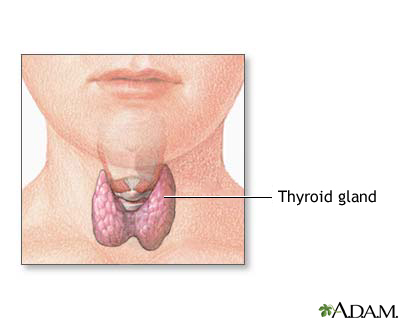
Thyroid glandThere can be several reasons you are cold or hot more than the people around you. One of those reasons can be your thyroid.  If your thyroid is underactive, you could have hypothyroidism.

Normally, your body has this ingenious feedback loop that keeps your thyroid hormone levels just right. The two key hormones produced in your thyroid are triiodothyronine (T3) and thyroxine (T4). When these are at the correct levels, your thyroid stimulating hormone (TSH) controls their production. When more is needed, it stimulates more. When no more is needed, it does not stimulate more.

Hypothyroidism

The most common thyroid medical condition is hypothyroidism, or an underactive thyroid. In this case, the TSH keeps going up and up but the needed amounts of extra T3 and T4 are not produced.

Some of the common symptoms of hypothyroidism are:

  • feeling cold all the time
  • feeling sluggish or tired
  • brittle nails and hair
  • weight gain

The most common and very effective treatment for hypothyroidism is levothyroxine. A common brand name is Synthroid. It is T4 that is given to replace the T4 your thyroid is no longer producing. Giving T4 in this form is enough to bring your TSH back to normal levels. It is not necessary to take both T4 and T3; several studies have now demonstrated this. Each dose has a different color. This helps you and your prescriber keep track of exactly what dose you are taking.

When you are first started on levothyroxine, your prescriber will probably have you get blood drawn to check your TSH about 2 months after you start therapy, every 3-6 months until your dose has your TSH right in the goal range, then it will be checked at least yearly. It is common for your dose to change several times, in the first year especially, until the correct dose is identified to keep your TSH at the target level.

When you take levothyroxine, you should take it either first thing in the morning about an hour before breakfast or at the last part of your day at least 3 hours after your last meal. There are several foods and other medications that can interact with levothyroxine. Keeping it separated from your other medicines and meals helps to avoid these interactions.

Note, you especially to do not want to take it near milk or other dairy products, vitamins, or some cholesterol medicines. Taking levothyroxine too close to some of these foods and medicines can make the levothyroxine less effective.

A common question is about brand versus generic when taking levothyroxine. Either is truly fine. What you don’t want to do is switch back and forth. There can be a very tiny variance (2.5%) between medicine made by different manufacturers. For most medicines that makes no difference. Levothyroxine is a ‘narrow therapeutic index’ medication. This means the range from too little to too much is very small. So, the tiny variation between products can make a difference. I recommend generic, but ask your pharmacist to always give you the generic from the same manufacturer.

If you suspect you might be hypothyroid, please talk with your doctor. The most common age to be diagnosed with hypothyroidism is in your 40’s and 50’s, but it can be identified at younger or older ages.

For more information about your thyroid and medications to treat thyroid conditions, contact us at www.medsmash.com.

BIBLICAL APPLICATION

We just read about the amazing feedback loop of the thyroid gland. It is a perfectly designed system that keeps itself in constant check. (Unless it is harmed by disease or other outside influences).

This makes me think of a feedback loop described by Paul. It is not necessarily a comfortable feedback loop, but I know I have seen the truth of it in my own life. And, when I look at those people that have been big spiritual mentors to me, I can definitely see the realities of this feedback loop in their lives. I have yet to find a spiritually mature person who hasn’t experienced this feedback loop more than once.

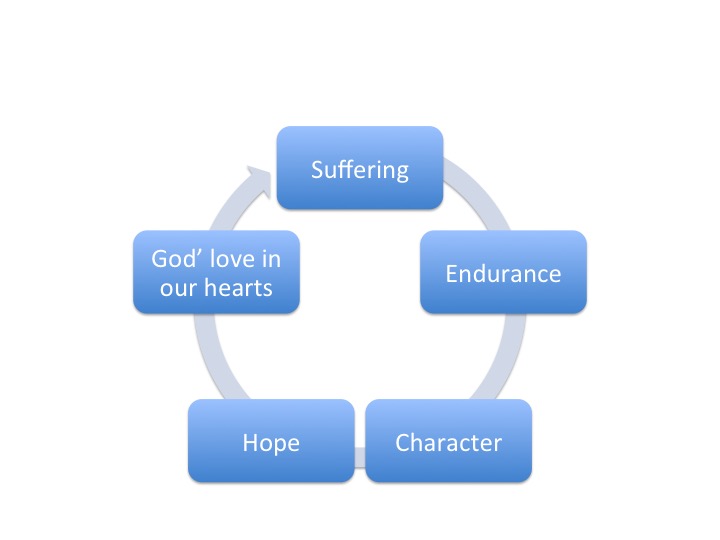
So, what is the loop?

Romans 5:3-5 ESV

More than that, we rejoice in our sufferings, knowing that suffering produces endurance, and endurance produces character, and character produces hope, and hope does not put us to shame, because God’s love has been poured into our hearts through the Holy Spirit who has been given to us.

Slide1

The part that we sometimes miss is that this is a continuous loop. It’s just each time you go through it, the better you are able to ‘REJOICE’ in the suffering knowing that the love is continuous. The loop always involves suffering – something bad is happening to you. But, the more you embrace the love that is yours no matter what, the braver and more joyful you can be with each time around the loop.

So buckle up. The next round is coming! Experience it with the joy that God’s love never fails.

Blessings,

Michelle

Image Source:  National Library of Medicine; National Institutes of Health; U.S. Department of Health and Human Services

Snowed – Are you missing out on life needlessly?


Winter
Avoid that ‘snowed’ feeling from medication


How often do you feel “snowed”? Do you feel a lack of motivation? Is your thinking sharp? Is it hard to get the energy to get off the couch? Do you nod off when you sit down? Does your thinking seem fuzzy? Do you have trouble keeping up with conversations?

Medications can make you feel ‘snowed’

Now I ask you, do you take medicine for:

Your ‘snowed’ feeling could be a result of your medication. Many of the medicines used to treat these problems have this side effect. This is especially true if you take more than one or if the dose is too high.

Sometimes there are other medicine or non-medication options that will avoid these side effects. At least a trial of a lower dose might help.

Be sure to discuss your concerns with your doctor before making any changes.

Do you wonder if you might be taking one of these medicines or experiencing this type of side effect? Contact us at www.medsmash.com.

As you might imagine, where I live we had about 30 inches of snow recently. Everywhere we look we see snow.   It is beautiful for a while. It is fresh and clean and bright. The ability to take a break is refreshing. When you know you can’t go anywhere, it is easier to give yourself permission to read a book or relax in front of a favorite movie.

There are times, especially with certain injuries or emotional traumas, when medication-induced relaxation is warranted. In these cases, extra care for safety from falls and avoidance of driving are important.

But, this is not a long-term desirable state. So, again, if you are experiencing this ‘snowed’ feeling on your regular daily medication regimen, let’s see what can be done to wake you back up.

BIBLICAL APPLICATION

Do you feel like you’re lacking focus and clarity?

Are you distracted by negative thoughts and/or worries?

Do you find you are working from one to-do to another with no time to think or plan?

Do distractions and daily activities override prayer? This is a common excuse for not spending time with God and in the Bible. I have certainly made this excuse and continue to do so.

Yet, there is more than enough evidence day after day that walking closely with God, daily prayer, surrendering worries is how we are designed to live. Life is more joyful. There is much more peace. Worries don’t slow you down.

There are many Bible verses that reassure us that this is exactly what we are called to do.

Philippians 4:6 ESV

Do not be anxious about anything, but in everything by prayer and supplication with thanksgiving let your requests be made known to God.

John 15:7 ESV

If you abide in me, and my words abide in you, ask whatever you wish, and it will be done for you.

Mark 11:24 ESV

Therefore I tell you, whatever you ask in prayer, believe that you have received it, and it will be yours.

1 Thessalonians 5:17 ESV

Pray without ceasing,

Romans 8:26 ESV

Likewise the Spirit helps us in our weakness. For we do not know what to pray for as we ought, but the Spirit himself intercedes for us with groanings too deep for words.

I challenge you to dedicate time each day to God. I challenge myself as well.

God knows you, everything about you, and loves you no matter what. So, hand it all over, accept the peace that is yours, and take a break from the worries.

Blessings,

Michelle


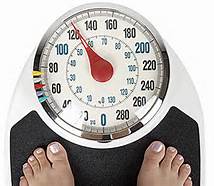
Weight – Less of you might mean less in your medicine cabinet

…or at

Medicine doses should be adjusted with weight loss

least lower doses.

Healthy weight loss can lead to decreased doses

Unhealthy weight loss can, too. Actually, sudden, unexpected, or drastic weight loss can be even more hazardous. If it is unplanned please talk with your doctor right away.

Fat loving (lipophilic) medicines distribute throughout all of the extra weight in our bodies. The medication finds places to travel and stay stored in all of these fatty areas. Once we lose fat, it takes a lower dose to get the same effect. If the dose is not changed with weight loss, the same dose you have taken for years can actually be toxic. Rather than being stored in the fat, the amount of medicine stays in your blood where it has more effect. I have seen several cases where someone was getting more confused, more sleepy, having more difficulty thinking with no change in their medicine regimen. Upon further analysis, we found they had lost several pounds over the past several months with no reduction in medicine dose. So talk with your doctor as you lose weight to double check doses of meds.

Medical conditions related to weight

There are also several medical conditions that are related to your weight, especially excess weight. For many people diabetes, high blood pressure, and high cholesterol are found when the person is overweight. They get worse with increased weight. If that person then loses weight, those medical conditions can get better. The need for medicines to control these conditions can go down as the body is better able to manage the blood sugar, blood pressure, and cholesterol on its own. This means the number and doses of medicines might also need to be decreased. Blood pressure medicine doses that are too high can lead to dizziness, especially with standing, and falls. Diabetes medicine doses that are too high can lead to low blood sugar, confusion, dizziness, sweating, or even passing out. Cholesterol medicine doses that are too high might increase risk of side effects like liver damage or muscle pain.

If you have diabetes, high blood pressure, or high cholesterol and have lost at least five pounds, ask your doctor if you could take fewer medicines or lower doses.

What are other benefits of weight loss?

Data has shown that a 5% weight loss can help prevent high blood pressure. It can also help control your blood pressure, your diabetes, and your cholesterol. So, if you weigh 200 pounds, this would be a 10 pound weight loss. This can be accomplished through diet and exercise. Fast weight loss fad diets are NOT the diets of choice. Eating healthy foods, vegetables, fruits, and low-fat options are the safest diet changes. Also, exercise does not mean running a marathon tomorrow. Increased movement several times each day can have a huge positive benefit.

I had one patient once who took this message to heart. He gradually changed his diet and started walking. None of his changes were extreme. Over time, he lost weight. We were able to remove EIGHT medicines from his regimen as his own body resumed control of his conditions. Not everyone will have results this dramatic, but small changes can have big positive impacts.

For more information about healthy weight loss and associated medicine reductions, please contact us at www.medsmash.com.

BIBLICAL APPLICATION

In line with these thoughts about the positive benefits of weight loss, consider the benefits of guilt loss! How much of your daily activity is influenced by guilt? Do ayou feel worthy, accepted, loved, precious, and good enough? Or, do doubts cast a shadow over you? Do feelings of guilt or shame impact your confidence and your attitude? Are you as positive and hopeful s you could be?

If you could shed guilt and shame, can you even imagine how much lighter your load would be? Think how much freer you would be to rejoice and praise and live the life you were meant to live!

Here are some of the thoughts in the Bible about guilt.

Romans 8:1 ESV

There is therefore now no condemnation for those who are in Christ Jesus.

Romans 3:23 ESV

For all have sinned and fall short of the glory of God,

Romans 5:1 ESV

Therefore, since we have been justified by faith, we have peace with God through our Lord Jesus Christ.

Rather than being burdened and weighed down by guilt, consider this offer from Jesus.

Matthew 11:28-30 ESV

Come to me, all who labor and are heavy laden, and I will give you rest. Take my yoke upon you, and learn from me, for I am gentle and lowly in heart, and you will find rest for your souls. For my yoke is easy, and my burden is light.”

The past is gone. You are forgiven! You do not need to carry around this guilt and shame. Shed it and see how good you can feel!

2 Corinthians 5:17 ESV

Therefore, if anyone is in Christ, he is a new creation. The old has passed away; behold, the new has come.

Ephesians 4:22-24 ESV

To put off your old self, which belongs to your former manner of life and is corrupt through deceitful desires, and to be renewed in the spirit of your minds, and to put on the new self, created after the likeness of God in true righteousness and holiness.

Blessings,

Michelle

Image Source:  National Center for Complementary and Integrative Health; National Institutes of Health; U.S. Department of Health and Human Services

Are you meds making your memory better or worse?

Your Medications and Your Memory – making things better or worse?

Are you meds making your memory better or worse?
Memory

Do you ever feel like your memory is slipping? Are you getting forgetful?

Prescription Medications and Memory

Which of your medicines is helping preserve your memory? There are several medical conditions that can make your memory worse. The medicines that treat those conditions then help preserve your memory. Some examples include medicines for heart disease, seizures, blood thinners, asthma inhalers, or emphysema and bronchitis inhalers. Oxygen is a common theme with many of these medications. If you have a medical condition that could decrease the oxygen getting to your brain, this could worsen your memory.

Which of your medicines is actually making your memory worse? Unfortunately, there are many medications that can do this. Any medication that can make you sleepy or slow your thinking can make it harder to remember things. Any medicine that impacts how your brain functions can alter clear thinking. This does not mean all of these medications should be avoided. It does mean to not assume you have dementia when you have foggy thinking while on these medications. There are many examples; some common ones are medications for pain, anxiety, and depression. Anticholinergic, or very drying, medicines cloud your thinking. Recently, statin medications for cholesterol have also been associated with memory impairment.

There are currently two classes of medicines approved for use in Alzheimer’s Disease. For many medical conditions, once diagnosed, you are prescribed a medication(s) to treat that condition. This is not as simple with the dementia medications. They do NOT cure or prevent dementia. They do NOT help all people with dementia. The best impact they have is to slow the progression of dementia, and again, not everyone who takes them will have this result. They have cholinergic side effects that include nausea and diarrhea. If they are stopped after they have been taken, there can be a rapid decline in the dementia. It is not known if the decline is to the point the person would have been if they had not taken the medicine, or if it is an even sharper decline. So there is much to discuss with your physician and healthcare team before deciding to take these medicines.

How about vitamins?

Vitamins are perfectly safe, right? The more the better, right? For many vitamins, taking more than you need is just a waste; your body gets rid of what it doesn’t need. But some other vitamins are not easily cleared, and too much can cause problems. Vitamin E is a vitamin that has been studied to see if it can help with memory. Although some studies have had mixed results, there is no evidence that vitamin E can prevent dementia. There is some data that suggests it might help slow the progression of Alzheimer’s disease. But, there have also been reports of increased risk of death with vitamin E. This is because it can interact with several medications, especially those that can cause bleeding such as medicines that prevent clots. It is also one of the vitamins that the body can’t easily expel, so it is possible to get too much.

Vitamin B12 is another that has been studied.  If your vitamin level is low, then vitamin B12 can help.  However, if your B12 level is normal  supplements will not help.

The best way to get vitamins is through your diet.

And what about herbal remedies, natural remedies, or supplements?

There have been some studies looking at gingko biloba. It does not appear to prevent Alzheimer’s or other forms of dementia. There is some data that suggests it might help stabilize dementia. In particular, some studies show that it can help stabilize mood. Healthy people who take gingko report feeling more alert. However, there are several medication interactions to consider before you take this. It can increase risk of bleeding and can impact blood sugar control if you have diabetes.

Other substances that will change your ability to think clearly are alcohol, marijuana, and illicit substances. They may not be prescribed (yet), but they can definitely impact how sharply you think. Include these when you talk with your physician and your pharmacist about your medicines.

Some medications can help preserve your memory, and some medications can make your memory worse. Vitamins, over-the-counter medicines, supplements, and herbal remedies all should be considered medications. Share all that you take with your primary care provider and your pharmacist. That will allow them to make sure there are no medicines or interactions that are negatively changing your memory.

For more information about your medications and your memory, please contact us at www.medsmash.com.

BIBLICAL APPLICATION

Just as medication can cloud our thinking and memory, what can cloud our spiritual life? Do you ever feel that you are just not fully connected with God? Does it ever feel like something is clouding the connection? Or do you find it’s easier to just ignore the connection?

In my life the most common culprits are:

  • To-do lists
  • Crazy schedules
  • Worries

Martha got caught up in similar tasks. She was fretting so much about hosting Jesus that she failed to experience Jesus.

Luke 10:38-42 ESV

Now as they went on their way, Jesus entered a village. And a woman named Martha welcomed him into her house. And she had a sister called Mary, who sat at the Lord’s feet and listened to his teaching. But Martha was distracted with much serving. And she went up to him and said, “Lord, do you not care that my sister has left me to serve alone? Tell her then to help me.” But the Lord answered her, “Martha, Martha, you are anxious and troubled about many things, but one thing is necessary. Mary has chosen the good portion, which will not be taken away from her.”

There are several verses that help us realign our thoughts and hearts.

Romans 12:2 ESV

Do not be conformed to this world, but be transformed by the renewal of your mind, that by testing you may discern what is the will of God, what is good and acceptable and perfect.

Matthew 11:28-30 ESV

Come to me, all who labor and are heavy laden, and I will give you rest. Take my yoke upon you, and learn from me, for I am gentle and lowly in heart, and you will find rest for your souls. For my yoke is easy, and my burden is light.

1 John 2:17 ESV

And the world is passing away along with its desires, but whoever does the will of God abides forever.

Philippians 3:13-14 ESV

Brothers, I do not consider that I have made it my own. But one thing I do: forgetting what lies behind and straining forward to what lies ahead, I press on toward the goal for the prize of the upward call of God in Christ Jesus.

To use a sports analogy, keep your eyes up and focused on the long game. Daily struggles become easier to navigate when your focus is on God. He will lead you step by step according to His plan for you.

For it is impossible to be in the presence of Jesus and not be changed.  

– Joanne Weaver

This might sound contrite, but truly give your day to Him, keep your focus on Him, and see what happens.

Blessings,

Michelle

New Year’s Resolution, Take Only In-Date Medications

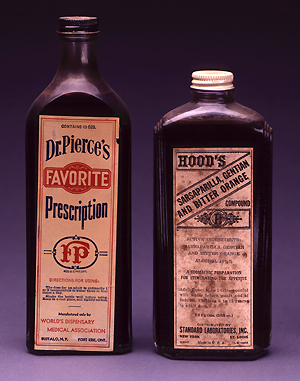
Old medicine bottles
Take in-date medications

The new year is upon us. I hope your 2015 has been full of happy memories and joyous occasions. Now, as we move on to 2016, I have a New Year’s challenge for you. I challenge you to take only in-date medications.

WHY In-Date Medications?

Sometimes we think expiration dates are just there to make us keep buying new medicine. But, in reality, there are TWO big reasons expiration dates are important. Extensive research is done when medications are created to determine for how long they are effective and safe. This date, when either changes, is the expiration date.

Past this date the medicine will not work as well. If you take a medicine to control your blood sugar that is expired, it might not lower your blood sugar as much. If you take an expired medicine for pain, your pain might not go away.

The other risk is a safety risk. Chemicals change over time. Have you ever opened an outdated bottle of aspirin? It smells like vinegar. That is because it changes into new chemicals over time, one of which is vinegar. Other medicines change into chemicals that can be extremely dangerous.

It is not worth the risk.

HOW

Go through ALL of the medications in your house, cars, purse, etc. Check the expiration date on each one. If it is expired, put it in your discard pile. (But don’t throw it in the trash just yet, there are two more steps).

Next remove all labels that contain information about you or your family. Shred or cut up the label. If you can’t get the label off, scratch out your name and prescription number at least. This is one of many forms of possible identity theft.

Now comes the tricky part. What do you do with all of these medications? There is not an easy answer. In order of ‘best options’, dispose of them in one of these ways:

  1. Take them to a ‘Medication Take-Back’ event sponsored by the Drug Enforcement Agency. Or call the DEA’s Registration Call Center at 1-800-882-9539
  2. Talk with your local pharmacist to see if you pharmacy can dispose of medication. Or, your pharmacist should know who in your community does dispose of medication, if there is a source.
  3. Dump them out of their bottles and put with kitty litter, coffee grounds, or something else that you can’t eat. Then, seal the container and put it UNMARKED in a garbage bag and out with the garbage.
    1. DO NOT flush the medication or put it down the drain. This leads to it reaching the water supply. This used to be encouraged, and now many medicines/hormones/chemicals have been found in the water supply.
    2. Ultimately, putting them in the trash can lead to them being in the water supply as the trash breaks down and leaches into the ground.
    3. This is why an official ‘take-back’ event is the safest option.

REPLACE

As you are sorting out your expired medicines, keep a list of those you use so you can replace them. If it is a prescription medicine, your can see on the label if there are refills remaining. Note, for non-controlled medicines, there are usually available for up to a year. For controlled medicines, the time might be shorter. If you are beyond that time, and you still need the medicine, call your physician to inquire about another prescription.

As you are replacing medicine, over-the-counter medicine, vitamins, and supplements, know that generic versions are just as good as brand. I purchase generic for my family. They have been carefully tested and regulated by the Food and Drug Administration to assure they contain the same key ingredients and work the same.

Here at the end of the year, if you have a health-savings account, check the rules to see if you can use that to replace your expired medicines.

This is an important step in your New-Year’s fresh start. It is important for your safety and the safety of your family.

Happy New Year!

For more information about expired medication and proper disposal, contact us at www.medsmash.com.

BIBLICAL APPLICATION

We are entering a new year. It can be a time to think of fresh starts and hope for the future. It is a great time to reflect on how your life has been changed through your faith.

At the moment we give our life to Christ, we know that our old self is gone. We now live a NEW life in Christ.

Ephesians 4:22-24

To put off your old self, which belongs to your former manner of life and is corrupt through deceitful desires, and to be renewed in the spirit of your minds, and to put on the new self, created after the likeness of God in true righteousness and holiness.

Philippians 3:13-14 ESV

Brothers, I do not consider that I have made it my own. But one thing I do: forgetting what lies behind and straining forward to what lies ahead, I press on toward the goal for the prize of the upward call of God in Christ Jesus.

2 Corinthians 5:17 ESV

Therefore, if anyone is in Christ, he is a new creation. The old has passed away; behold, the new has come.

Philippians 3:13-14 ESV

Brothers, I do not consider that I have made it my own. But one thing I do: forgetting what lies behind and straining forward to what lies ahead, I press on toward the goal for the prize of the upward call of God in Christ Jesus.

Galatians 2:20 ESV

I have been crucified with Christ. It is no longer I who live, but Christ who lives in me. And the life I now live in the flesh I live by faith in the Son of God, who loved me and gave himself for me.

What a refreshing reminder! Bask in the glow of your new life in Christ as you enter this new year.

I challenge you to take a challenge I FINALLY took in 2015. Read the Bible from cover to cover. I have read my Bible, participated in Bible studies, had several Bible-based lessons, but I had never actually read it start to finish. It has been so enlightening! So many things make more sense. And I hear from those who have done this several times, the insights are new and different each time.

I am praying you will be richly blessed in 2016,

Michelle


Image Source:  National Library of Medicine; National Institutes of Health; U.S. Department of Health and Human Services